The Smith & Wesson M&P 2.0 already provides a strong ergonomic foundation with an adaptable grip, aggressive factory texture, and controls positioned for practical use. That does not mean every factory configuration will feel ideal for every shooter. Differences in hand size, grip pressure, shooting style, and intended use can make relatively small changes to the pistol noticeably improve comfort and control.
Building a more ergonomic M&P 2.0 should not be about replacing components simply because aftermarket options exist. The better approach is identifying where the pistol does not naturally fit your hands and addressing those specific areas. Grip configuration, controls, magazine basepads, sights, and other external components can all influence how naturally the pistol handles without turning a straightforward setup into an unnecessarily complicated build.
Start With the M&P 2.0 Grip
The grip is the primary connection between the shooter and the pistol, making it the logical starting point for ergonomic improvements. Before replacing controls or other components, make sure the basic grip configuration suits your hands.
Experiment With the Factory Palm Inserts
The M&P 2.0's interchangeable grip inserts allow shooters to change how much material fills the palm. This can alter trigger reach, wrist position, and how securely the support hand contacts the pistol.
A larger insert is not automatically better for a shooter with large hands, and a smaller insert is not always ideal for smaller hands. The correct option is the one that allows a secure grip while maintaining comfortable access to the trigger and controls.
Pay Attention to Trigger Reach
If the grip feels comfortable but your trigger finger consistently sits too far through or barely reaches the trigger face, changing the grip insert may improve the relationship between the hand and trigger without requiring a trigger modification.
Grip Texture Can Be Helpful or Excessive
The M&P 2.0 is known for having relatively aggressive factory grip texture. That can provide excellent traction during shooting, particularly when hands become sweaty or wet, but the same texture may feel less comfortable during extended concealed carry.
Don't Add Texture Automatically
If the factory grip already remains secure during shooting, additional texture may provide little practical benefit. More aggressive is not necessarily more ergonomic.
Consider How the Pistol Is Used
A range-oriented M&P can prioritize maximum traction, while an everyday-carry setup may need a compromise between grip security and comfort against clothing or the body.
Evaluate the Magazine Release From Your Normal Grip
A magazine release should be accessible without forcing a dramatic change in hand position. If you need to rotate the pistol significantly every time you release a magazine, control geometry may be an area worth evaluating.
Extended Doesn't Need to Mean Oversized
A slightly larger contact surface can make the release easier to locate while keeping the pistol streamlined. Extremely prominent controls can create their own ergonomic problems, particularly on a carry pistol.
Test for Accidental Activation
Any extended magazine release should also be evaluated from your normal firing grip. A control that is easier to reach should not become so prominent that normal hand pressure activates it unintentionally.
Consider the Slide Controls
The slide stop or release is another point where hand size and technique can make the factory configuration feel different from one shooter to another.
More Surface Can Improve Accessibility
A control with additional usable surface area may be easier to locate consistently, especially when the shooter prefers operating the slide release directly during reloads.
Hand Position Still Matters
Before replacing the control, check whether your normal grip is interfering with it. High thumb placement can sometimes create unwanted contact, and making the control larger may increase rather than solve that problem.
Magazine Basepads Can Change More Than Appearance
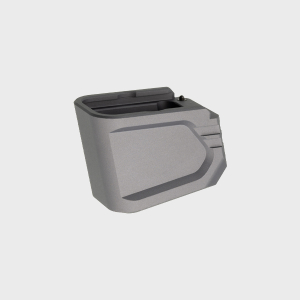
Magazine basepads are frequently selected for their appearance, but they can also affect how magazines are handled. A more defined base surface gives the support hand a larger contact point during magazine changes.
Improved Magazine Manipulation
A well-shaped basepad can make magazines easier to grasp and handle during repeated training. This is particularly useful for shooters who want a more substantial surface than a low-profile factory baseplate provides.
Keep Grip Length in Mind
For compact M&P 2.0 configurations, a longer magazine base can also change how the firing hand interacts with the bottom of the grip. Additional length may improve support for some shooters while slightly increasing the overall footprint.
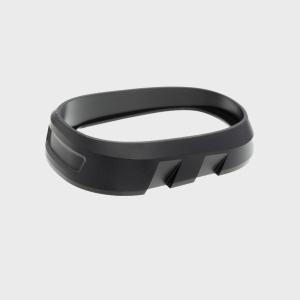
Magwell Upgrades Can Improve Grip Consistency
A magwell is usually discussed in terms of reload speed, but its ergonomic influence extends beyond guiding magazines into the pistol.
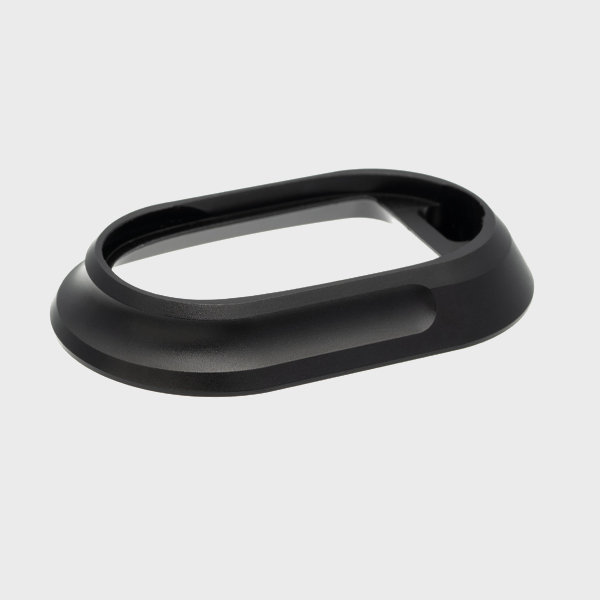
A Defined Lower Grip Boundary
Depending on its design, a magwell can create a subtle shelf at the bottom of the grip. This can help the firing hand settle into a repeatable position and provide additional support during shooting.
Check Basepad Clearance
The magazine and magwell need to work as a system. An aftermarket basepad may fit the magazine perfectly but still interfere with a particular magwell. Always confirm that magazines can reach their fully seated position with the complete setup installed.
Sights Are Part of Ergonomics Too
Ergonomics are not limited to what the hands touch. A pistol that naturally presents its sights into the shooter's visual field can feel significantly easier to operate.
Choose a Sight Picture You Can Acquire Naturally
Different front-sight colors, rear configurations, and sight heights can change how quickly the eyes locate the aiming reference. The ideal configuration depends on the shooter's vision and preferences.
Consider an Optic on Compatible Models
Optics-ready M&P 2.0 variants give shooters the option of adding a red dot. For shooters who prefer an optic, the important ergonomic question becomes whether the dot can be found consistently during presentation without altering the natural wrist position.
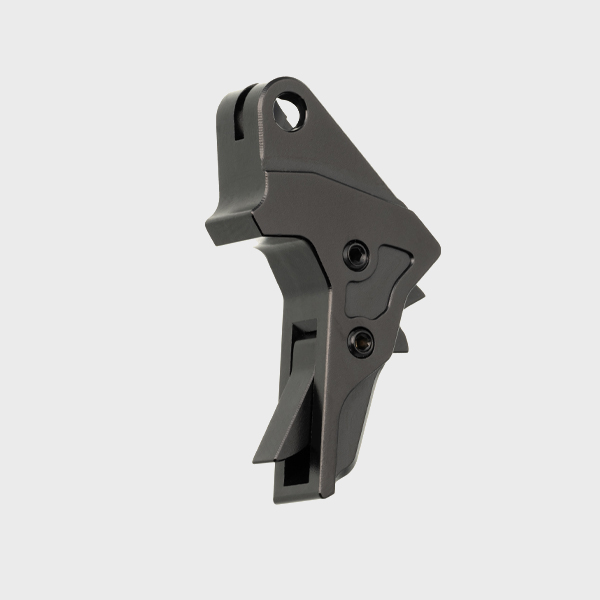
Think Carefully Before Changing the Trigger
Trigger upgrades receive substantial attention, but trigger feel is only one part of the ergonomic equation. Changing the grip configuration first may alter trigger reach enough that the factory setup feels different.
Establish Your Grip Before Evaluating the Trigger
Select the appropriate palm insert and establish a repeatable firing grip before deciding whether trigger geometry needs to change. This provides a much more useful baseline.
Don't Replace Parts Without a Specific Goal
If the objective is better ergonomics, every modification should solve an identifiable problem. Changing the trigger simply because it is a common upgrade can add expense without addressing the actual issue.
Full Size and Compact Models Need Different Priorities
The M&P 2.0 family includes different frame and slide configurations, so the ideal ergonomic setup depends partly on the pistol's size and intended role.
M&P 2.0 Full Size
The Full Size configuration already provides substantial room for the firing hand. Ergonomic improvements can therefore focus more heavily on grip shape, control accessibility, sights, and magazine handling rather than simply adding grip length.
M&P 2.0 Compact
Compact models require a slightly different balance. Added grip support or larger controls can improve handling, but maintaining the pistol's smaller footprint may remain important for concealed carry.
Build Around Your Hand Size
There is no universal M&P 2.0 ergonomic configuration because two shooters can hold the same pistol very differently.
Smaller Hands
A smaller grip insert can help reduce trigger reach and make important controls easier to access without rotating the pistol excessively.
Larger Hands
Larger inserts may provide additional palm support and help prevent the pistol from feeling lost inside the firing hand. A magwell or carefully selected magazine basepad may also provide a more defined lower grip boundary.
Don't Assume Hand Size Determines Everything
Finger length, palm shape, thumb mobility, and shooting technique can matter as much as overall hand size. Try different configurations rather than selecting components based solely on general sizing recommendations.
Carry Builds Should Remain Streamlined
If the M&P 2.0 is carried regularly, ergonomic improvements need to be balanced against overall dimensions.
Avoid Unnecessary Protrusion
Extended controls should provide enough additional surface to improve usability without becoming unnecessarily large. The same principle applies to magwells and magazine basepads.
Recheck the Holster
External changes can affect how the complete pistol interacts with a holster. After modifying the configuration, confirm that the pistol still fits and retains properly in the intended carry equipment.
Change One Area at a Time
Installing several ergonomic upgrades simultaneously makes it difficult to determine which change actually improved the pistol. A better approach is to establish a baseline and make adjustments gradually.
Start With Free Adjustments
Begin with the interchangeable factory grip components. Once the grip shape is established, evaluate control access, magazine handling, and sighting.
Then Address Specific Limitations
If the magazine release remains difficult to reach, consider that control. If magazine handling is the problem, look at basepads or a compatible magwell. If sight acquisition is inconsistent, evaluate the sights or optic setup.
This method creates a pistol built around the shooter rather than a collection of aftermarket components installed without a clear purpose.
Did You Know?
Changing the M&P 2.0's interchangeable grip insert can affect several ergonomic factors at once, including palm support, trigger reach, thumb position, and how naturally the sights align when the pistol is presented.
Conclusion
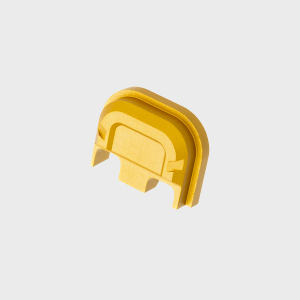
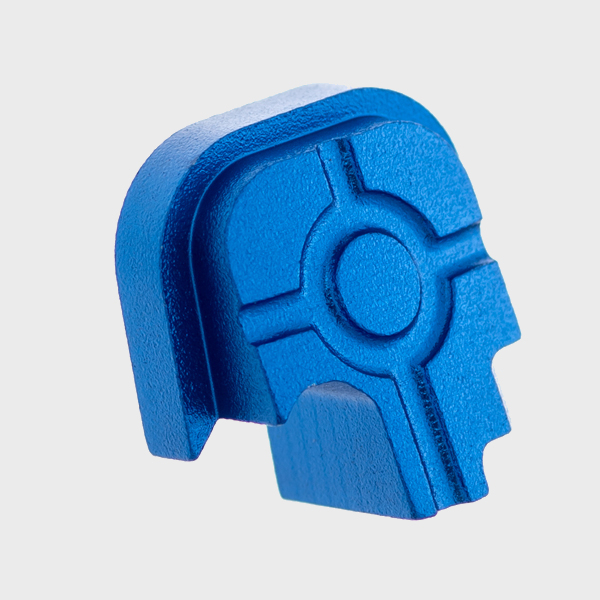
Improving M&P 2.0 ergonomics starts with fitting the pistol to your hands rather than replacing every available component. Experiment with the factory grip options first, then evaluate whether the magazine release, slide controls, magazine basepads, magwell, or sights create a specific limitation. Small, carefully selected changes can make the pistol feel substantially more natural while preserving the straightforward character of the platform. For a compatible external customization option for M&P 2.0 Full Size and Compact models, explore the Tyrant CNC S&W M&P Full Size / Compact Slide Cover Plate.
FAQs
What is the best first ergonomic upgrade for an M&P 2.0?
Start with the factory interchangeable grip inserts. Finding the correct grip size can improve palm support, trigger reach, and access to the controls without purchasing another component.
Is an extended magazine release useful on the M&P 2.0?
It can be useful when the factory release requires excessive grip movement. The ideal extension should improve accessibility without becoming unnecessarily prominent.
Can a magwell make the M&P 2.0 more comfortable to hold?
Depending on its shape, a magwell can provide a more defined lower boundary for the firing hand while also making the magazine opening more forgiving.
Should I change the trigger to improve ergonomics?
Not necessarily. Establish the correct grip configuration first because changing grip size can also change trigger reach and finger placement.
Are M&P 2.0 Full Size and Compact accessories always interchangeable?
No. Some accessories support both configurations, while others are model-specific. Always verify the manufacturer's stated fitment for the exact M&P 2.0 model before purchasing.