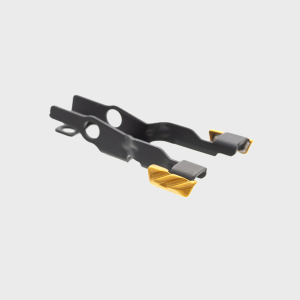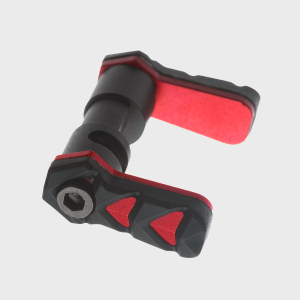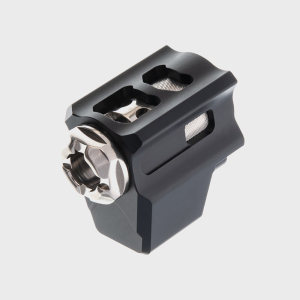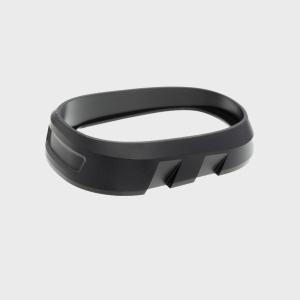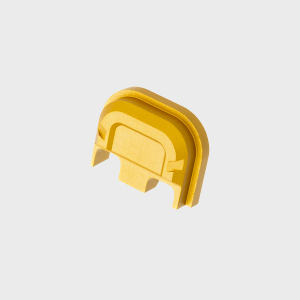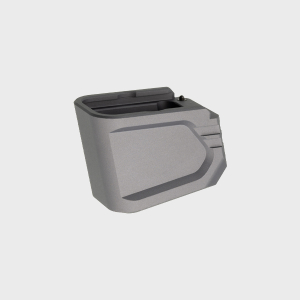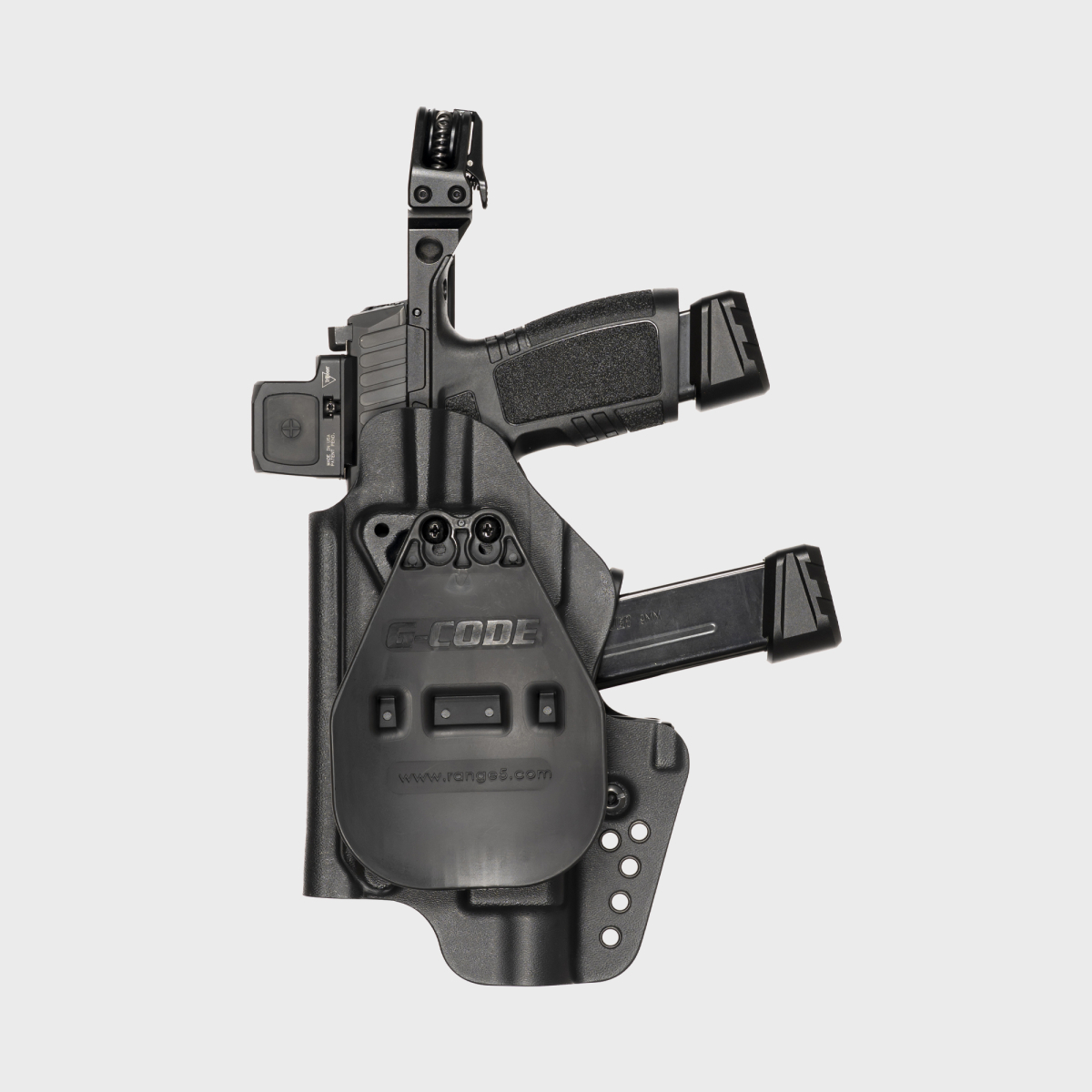
The SIG Sauer P365 is built around compact dimensions, but the platform's modular design gives owners plenty of room to tailor a carry setup around hand size, concealment preferences, magazine configuration, and everyday comfort. That flexibility is useful, but it also means a P365 carry build should be planned as a complete system rather than as a collection of individual upgrades.
A different grip module can change hand position and magazine compatibility. An extended magazine release can improve thumb access but also changes the external control profile. Magazine extensions add grip surface and capacity while increasing the dimensions below the frame. Even a seemingly small change can affect how the pistol interacts with the holster. A good carry build checklist therefore starts with fit and compatibility before moving to appearance or additional features.
Start by Defining the P365 Carry Configuration
The P365 family now includes several grip and upper configurations, so “P365 carry build” can describe very different pistols. Establish the basic configuration before choosing accessories.
Prioritize Maximum Concealability
If minimum dimensions are the goal, keeping a shorter grip and relatively compact magazine configuration preserves more of the original P365 concept. Accessories should remain similarly restrained.
Prioritize a Fuller Grip
Owners who want more room for the firing hand can move toward longer P365 grip configurations or carefully selected magazine extensions. This increases usable gripping surface but also changes the carry footprint.
Prioritize a Balanced Setup
Many carry builds fall between those extremes. The goal becomes gaining enough grip and control surface to make the pistol comfortable without adding unnecessary width, length, or protruding components.
Grip Module Fit Comes Before Most Other Upgrades
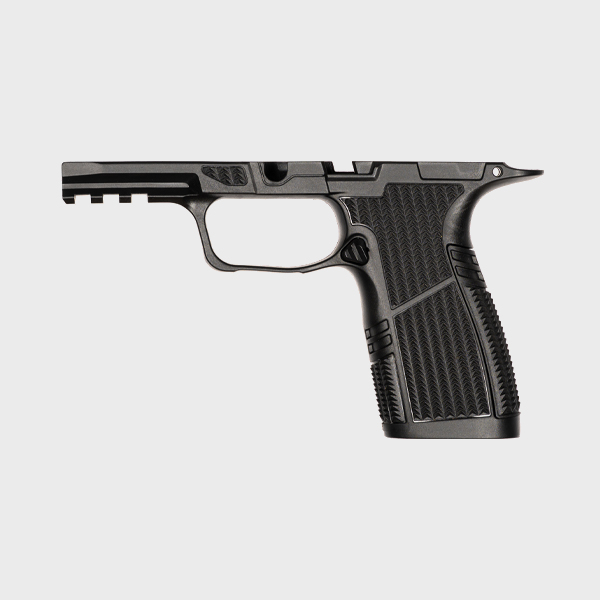
The grip module determines where the firing hand sits in relation to the trigger and external controls. Because of that, it should usually be established before selecting extended controls.
Grip Length
A shorter grip generally favors concealability, while a longer configuration provides more room for the hand. Buyers should decide how much additional grip length they are willing to carry before using magazine extensions to solve a problem that might be better addressed through the grip itself.
Grip Circumference
A grip that is too narrow or too large for the hand can affect access to the magazine release and other controls. The goal is comfortable reach without excessive repositioning.
Grip Texture
Carry texture requires balance. Enough texture should remain available for a secure hand interface, but an unnecessarily abrasive surface can become uncomfortable against clothing or skin during extended daily wear.
Know Which P365 Grip Configuration You Have
Accessory compatibility changes across the P365 family. The original P365, longer XL-style configurations, and XMacro-style setups do not necessarily use accessories in exactly the same way.
Standard P365
The shorter grip places a greater emphasis on magazine baseplate shape because the magazine can contribute directly to the amount of gripping surface available to the lower fingers.
P365 XL-Style Configuration
A longer grip provides more hand space before any magazine extension is added. Magazine selection can therefore focus more on the desired carry dimensions and handling preferences.
P365 XMacro-Style Configuration
The larger grip moves the platform closer to a fuller handling experience while retaining the P365 family's relatively slim architecture. Accessories should still be checked specifically for the Macro-style configuration.
Check Magazine Release Reach After Finalizing the Grip
Once the grip configuration is established, evaluate whether the factory magazine release is comfortable to reach. Do not assume that an extended release is necessary simply because one is available.
Watch for Excessive Grip Rotation
If reaching the magazine release requires substantial hand repositioning, a carefully sized extended control may provide a more accessible contact surface.
More Extension Is Not Always Better
A large control protrudes farther from the pistol. On a concealed-carry build, that can increase interaction with the holster, clothing, or body.
Check the Control Inside the Actual Holster

An extended magazine release should not be evaluated only while holding the pistol. The holster's molding and coverage around the control area are equally important.
Extended Slide Controls Need a Carry-Specific Fit Check
A larger slide catch can provide a clearer thumb contact point, but additional surface area can also change how the control interacts with the firing hand.
Evaluate Normal Thumb Position
With a high grip, determine where the thumb naturally rests in relation to the control. Additional surface is useful only if it improves deliberate access without creating unwanted contact.
Consider Hand Size
Large and small hands interact with compact P365 controls differently. A control that feels ideal for one shooter may be unnecessarily prominent for another.
Keep the Carry Profile in Mind
External controls should remain proportional to the pistol. The P365's slim profile is one of its major advantages, so there is little benefit in covering it with controls that extend farther than necessary.
Evaluate the Takedown Lever as Part of the Complete Grip Setup
The takedown lever is another external component that can change the way the side of the pistol feels. Its importance depends on the specific grip module and the shooter's hand position.
Check Support-Hand Contact
Different lever profiles create different amounts of external surface. Consider where the support hand naturally contacts the frame before deciding whether another profile provides a useful ergonomic change.
Confirm Exact P365 Fitment
The P365 platform has evolved into multiple configurations. Any replacement lever should be verified for the exact setup rather than selected from a broad SIG Sauer description.
Do Not Upgrade Every Control Automatically
If the factory lever creates no ergonomic or fitment issue, replacing it may add little to a carry-focused build. Prioritize controls that solve an identifiable problem.
Keep Carry Controls Deliberate and Low Profile
A carry pistol spends significant time inside a holster and close to the body. That makes control profile more important than it might be on a range-focused setup.
Avoid Unnecessary Protrusion
Large external surfaces can change the way the pistol sits inside the holster or against clothing.
Check Both Sides of the Pistol
Do not evaluate controls only from the shooter's perspective. Consider how the opposite side interacts with holster material and the body.
Build Around Reliable Accessibility
The objective is not maximum control size. It is enough accessible surface for your hands while retaining the compact character of the P365.
Magazine Choice Has a Major Effect on Carry Dimensions
On a compact pistol, the magazine is part of the external grip profile. Changing magazines or baseplates can therefore alter both hand fit and concealability.
Flush or Compact Baseplates
A compact baseplate keeps the lower grip close to its intended dimensions and makes sense when minimum size is the priority.
Extended Baseplates
An extended baseplate can provide additional lower-finger surface. This can be especially noticeable on shorter P365 grip configurations.
Capacity Extensions
A capacity extension increases the dimensions below the magazine body. Buyers should consider the additional grip length and weight along with the capacity change.
Your Primary and Spare Magazines Can Serve Different Roles
There is no requirement for every magazine in a carry setup to use the same external configuration.
Keep the Holstered Magazine Compact
A flush or modest baseplate can help keep the pistol's grip profile controlled while it is being carried.
Use a Different Spare Configuration
A spare magazine can use a larger compatible baseplate or extension when the owner prefers additional capacity or handling surface without permanently increasing the dimensions of the holstered pistol.
Maintain Familiarity With Both
If different magazine configurations are carried, both should feel familiar. Differences in baseplate dimensions can noticeably change how the magazines are handled.
Magazine Extensions Need More Than a Capacity Check
Capacity is only one reason to evaluate a magazine extension. For a P365 carry build, dimensions and compatibility are equally important.
Grip Length Changes
The extension becomes part of the lower grip profile when the magazine is inserted. Larger extensions can make the pistol easier to hold for some shooters while reducing part of its concealment advantage.
Basepad Geometry Changes
Aftermarket extensions can be wider or shaped differently from factory baseplates. This becomes important when a magwell or tightly fitted carry equipment is also part of the build.
Magazine Configuration Must Match the Grip
P365-family grip lengths and magazine configurations differ. Verify the exact magazine and grip combination rather than assuming that every P365 extension is interchangeable.
Magwell Compatibility Needs to Be Checked With Every Magazine
If a carry build includes a magwell, magazine baseplate clearance becomes a critical part of the setup.
Check Front Clearance
The front edge of a larger basepad should not contact the magwell before the magazine reaches its intended seated position.
Check Rear Clearance
The rear contour matters as well, particularly with magwells that fit closely around the magazine opening.
Check Every Magazine Configuration
If the primary and spare magazines use different baseplates, each combination needs to work correctly with the grip and magwell.
Do Not Add a Magwell Without Considering Concealability
A magwell can provide a more defined lower-hand interface, but it also adds material around one of the most important areas for concealment.
Low-Profile Designs Suit Carry Better
A compact magwell can add a subtle lower edge while keeping the overall grip relatively streamlined.
Large Flares Change the Carry Profile
A wider flare may make sense on a range-oriented configuration, but the same geometry can add unnecessary width to an everyday carry setup.
Make Sure Your Hand Still Fits
A magwell occupies space at the bottom of the grip. Shooters whose hands already fill the frame should make sure the additional lower edge does not crowd the little finger.
Holster Fit Should Be Checked After Every External Change
The holster is not separate from the P365 build. It is one of the components most likely to reveal whether an external accessory has changed the pistol in an unexpected way.
Grip Modules Can Affect Fit
Changing the grip module may alter trigger-guard geometry, rail configuration, or other external dimensions relevant to the holster.
Extended Controls Can Affect Clearance
An extended magazine release or other protruding control may interact with tightly molded holster material differently from the factory component.
Lights Create Another Compatibility Variable
If the carry setup includes a weapon-mounted light, the holster needs to be designed around the correct pistol, grip, and light combination.
Holster Coverage Around the Magazine Release Matters
An extended magazine release deserves particular attention because adding surface area changes how far the control sits from the grip.
Look for Adequate Clearance
The holster should not place unwanted pressure against the magazine release when the pistol is fully seated.
Check Normal Daily Positions
A setup that appears fine while standing should also be evaluated while sitting, bending, and moving normally with the holster worn as intended.
Recheck After Changing Grip Modules
If both the grip and magazine release change, evaluate holster interaction again rather than relying on how the previous configuration fit.
Optics Can Change Holster Requirements Too
Although controls, grip, and magazines are major carry-build considerations, the upper configuration also affects equipment compatibility.
Confirm Optic Clearance
An optics-ready holster needs enough clearance around the specific sight and slide configuration.
Consider Sight Height
If the pistol uses taller iron sights, make sure the holster provides adequate sight-channel clearance.
Think About the Complete Pistol
The correct holster should accommodate the final configuration rather than a factory version of the pistol that no longer matches the build.
Do Not Overbuild a P365 Carry Setup
The P365 became popular largely because it packages useful capability into a slim and compact platform. A carry build should be careful not to eliminate those advantages through unnecessary additions.
Upgrade the Problem, Not the Entire Pistol
If the grip is too short, address grip length. If the magazine release is difficult to reach, evaluate the release. If the factory slide control works naturally, there may be little reason to make it larger.
Watch Cumulative Size
One moderate accessory may have little effect on concealment. A longer grip, large magazine extension, wide magwell, oversized controls, optic, and light combined can produce a very different pistol from the compact configuration that started the build.
Keep the Purpose Consistent
Every component should support the same goal. A carry-focused P365 benefits from accessories that improve fit and usability while controlling overall dimensions.
P365 Carry Build Checklist
Before considering the configuration finished, review each major area of the pistol as part of the complete system.
Grip
Confirm that the grip provides enough room for the hand, the circumference feels natural, the texture is appropriate for extended carry, and the chosen module matches the magazines and accessories.
Controls
Make sure the magazine release and slide controls are accessible without unnecessary hand movement while remaining low-profile enough for the intended carry setup.
Magazines
Verify the exact magazine configuration, baseplate or extension, grip-module compatibility, and magwell clearance where applicable.
Holster
Confirm that the holster is intended for the finished pistol configuration, including the grip module, optic, weapon light, and any external controls that alter clearance.
Overall Carry Profile
Finally, look at the complete pistol rather than each upgrade individually. Make sure the accumulated changes still match the concealability and comfort goals that originally defined the build.
A Simple Order for Building a Carry-Focused P365
Choosing components in a logical order can prevent one upgrade from forcing unnecessary changes elsewhere.
First: Establish the Grip
Choose the grip length, circumference, and texture that provide the right balance between hand fit and concealability.
Second: Evaluate the Controls
With the final grip in place, determine whether the magazine release, slide catch, or other external controls actually need additional surface.
Third: Finalize Magazine Configuration
Select magazines and baseplates around the grip length and desired carry dimensions. If a magwell is installed, verify clearance at the same time.
Fourth: Confirm the Complete Holster Fit
Choose or verify the holster only after the major external dimensions are established. This reduces the chance that a later accessory makes existing carry equipment incompatible.
What to Recheck After Changing Any Major Component
P365 modularity makes changes easy, but every significant change should trigger another review of nearby components.
After Changing the Grip
Recheck magazine fit, control reach, magwell compatibility, and holster fit.
After Changing a Magazine Baseplate
Recheck grip dimensions and clearance around any installed magwell.
After Changing an External Control
Recheck hand contact and holster clearance.
After Adding a Light or Optic
Recheck the holster against the exact completed upper and lower configuration.
Did You Know?
P365 grip modules, magazine baseplates, magwells, and external controls are closely interconnected: changing only one component can alter hand fit, magazine clearance, or holster compatibility even when the rest of the pistol remains unchanged.
Conclusion
A well-planned P365 carry build starts with the grip and works outward. Establish the grip length and hand fit first, evaluate whether the factory controls actually need additional surface, select magazines and baseplates around the desired carry dimensions, and verify that any magwell works with the complete magazine setup. The final step is confirming holster compatibility with the exact pistol, including external controls, optic, light, and grip configuration. Keeping every upgrade focused on a specific need helps preserve the compact, slim characteristics that make the P365 such a versatile carry platform. To explore compatible components for different P365 configurations, visit Tyrant CNC SIG Sauer upgrades.
FAQs
What should I upgrade first on a P365 carry build?
Start with grip fit. Establishing the right grip configuration makes it easier to determine whether extended controls, different magazine baseplates, or other ergonomic changes are actually necessary.
Is an extended magazine release practical on a carry P365?
It can be when the factory control requires excessive grip movement to reach. A carry-focused extended release should provide useful additional contact surface without protruding unnecessarily or creating unwanted interaction with the holster.
Should a carry P365 use a magazine extension?
That depends on the desired balance between grip surface, capacity, and concealability. A modest extension can provide additional lower-finger support, while larger extensions create a more noticeable change to the grip dimensions.
Can a P365 magwell affect magazine compatibility?
Yes. The baseplate or extension must have enough clearance around the magwell for the magazine to seat correctly. Factory and aftermarket basepads should be checked individually with the selected magwell.
Can changing the P365 grip module affect holster fit?
Yes. Grip-module geometry, trigger-guard shape, accessory rails, lights, and external controls can all influence holster compatibility. The holster should be verified against the exact finished configuration rather than general P365 compatibility alone.