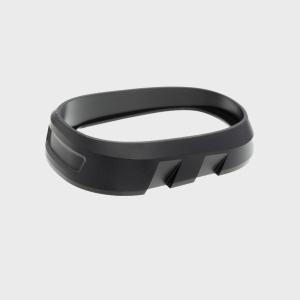
A Glock magwell can change both the appearance and feel of the pistol, but not every magwell is suited to the same role. Large competition-style designs emphasize a wider magazine opening and a more aggressive visual profile, while lower-profile carry magwells aim to preserve concealability and everyday comfort. Choosing between them comes down to how the pistol is used, how much added bulk is acceptable, and which magazine baseplates are part of the setup.
For many buyers, the best magwell is not the largest option available. A carry-focused Glock often benefits from a compact design that provides a defined lower edge for the firing hand without dramatically increasing the grip footprint. A range- or competition-inspired build may prioritize a larger funnel and a more prominent appearance. Understanding the tradeoffs before buying helps keep the finished pistol balanced around its intended role.
What Does a Glock Magwell Actually Change?
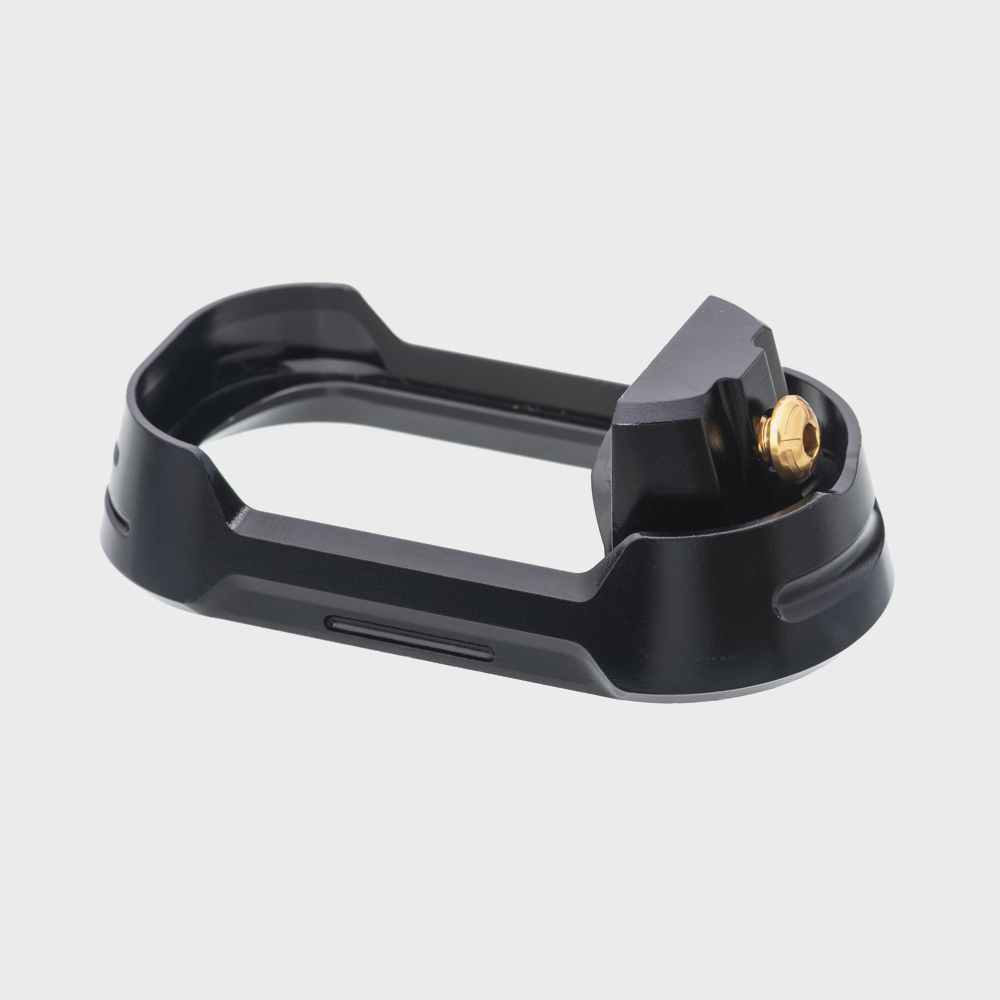
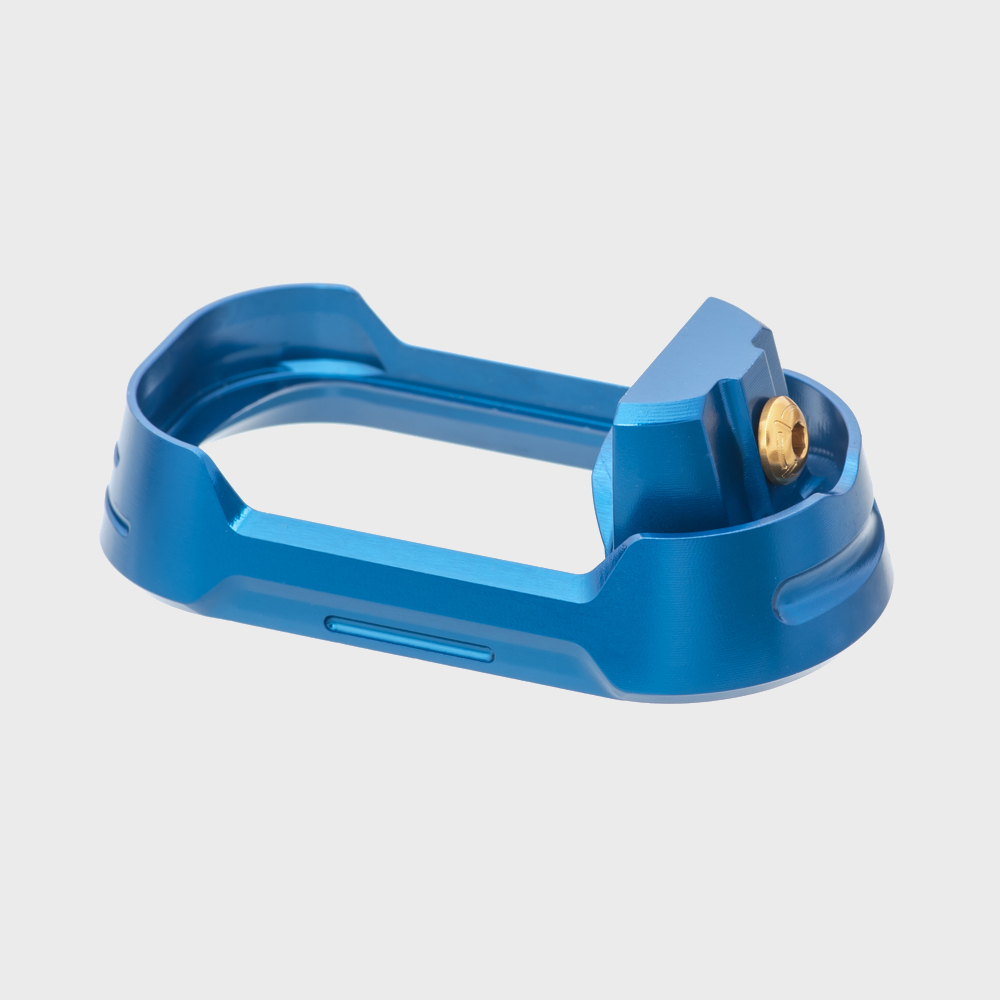
A magwell attaches around the bottom of the grip and changes the shape of the magazine opening. Depending on the design, it can also affect how the lower portion of the pistol sits in the firing hand.
Magazine Opening
The flared geometry creates a wider transition into the magazine well, which changes the shape of the lower frame and the way compatible magazines interface with it.
Grip Support
Some magwells create a more defined ledge around the bottom of the grip. Shooters whose hands already fill most of the frame may notice this immediately.
Overall Appearance
A magwell is visually prominent, especially on compact and mid-size Glock frames. Large competition-inspired designs can make the pistol look substantially different, while low-profile carry versions tend to blend more closely into the factory frame.
Competition-Style Magwells Prioritize Size and Presence
A competition-inspired magwell typically uses a larger flare and more material around the bottom of the grip. This creates a more aggressive appearance and a more pronounced lower profile.
Larger Funnel Geometry
The broader shape creates a more obvious transition around the magazine opening. This is one of the main visual and functional differences between competition-style and carry-oriented magwells.
More Material Around the Hand
The added width and lower ledge can make the grip feel more substantial, particularly for shooters whose hands already extend close to the bottom edge of the frame.
More Noticeable on the Pistol
Buyers who want a highly customized appearance may prefer the stronger visual impact of a larger magwell. That same size, however, becomes part of the pistol's carry footprint.
Carry Magwells Prioritize a Lower Profile
A carry-oriented magwell uses more restrained dimensions so the pistol remains easier to conceal and more comfortable against the body.
Reduced External Width
A low-profile design limits how far the magwell extends beyond the grip. This helps preserve more of the original Glock silhouette.
Subtle Lower-Hand Support
Even a compact magwell can create a defined boundary at the bottom of the frame. For some shooters, this provides enough additional support without making the pistol feel oversized.
Better Match for Concealed Carry
When the pistol is carried under clothing, every additional dimension matters. A compact magwell is generally easier to integrate into a carry-focused setup than a large competition-style design.
The Glock Model Changes Which Magwell Makes Sense
A magwell that feels subtle on a full-size frame may feel much more prominent on a compact pistol. Buyers should evaluate the accessory relative to the specific Glock model rather than judging the magwell in isolation.
Glock 19
The compact frame makes magwell size especially noticeable. A low-profile option can provide lower-hand support while preserving more of the Glock 19's general-purpose dimensions.
Glock 17 and Glock 45
Full-size grip dimensions provide more room for the firing hand before reaching the magwell. This can make larger designs feel less crowded for shooters with bigger hands.
Glock 43X and Similar Slimline Models
On a narrower grip, the width and contour of a magwell can have a greater effect on the overall feel of the pistol. Slimline buyers should pay close attention to how much material the accessory adds around the base of the frame.

Hand Size Matters More Than Appearance
A magwell may look ideal on the pistol but still feel uncomfortable if it reduces usable grip space.
Large Hands
Shooters with larger hands may find that a thick magwell pushes the little finger upward or crowds the bottom of the grip. The effect is especially noticeable on compact frames.
Medium Hands
A carefully sized magwell can create a supportive lower boundary without forcing the hand into an uncomfortable position.
Smaller Hands
Some shooters may appreciate the extra lower-edge definition because the hand does not fill the entire grip. In this case, a larger magwell may feel less intrusive than it does for someone with larger hands.
Carry Practicality Starts With Overall Grip Size
The grip is one of the most important areas to consider when building a concealed Glock because it contributes heavily to the pistol's visible footprint.
Added Width Can Affect Printing
A magwell increases the dimensions around the bottom of the frame. The larger the flare, the more that change can influence how the pistol sits beneath clothing.
Added Length at the Corners Matters Too
Even when a magwell does not dramatically extend the grip downward, outward flares and corners can change the way the pistol contacts clothing and the body.
Carry Position Changes the Experience
A magwell that feels unobtrusive in one carry position may be more noticeable in another. The completed pistol, holster, clothing, and body position should all be considered together.
Competition Appearance Comes With Tradeoffs
Large magwells are visually striking and can help create the appearance associated with heavily customized range or competition-oriented pistols. Buyers should still decide whether that look matches the role of the firearm.
Aggressive Styling
A pronounced flare immediately makes the bottom of the grip look wider and more purpose-built.
More Weight at the Bottom
Material and construction influence weight. A larger aluminum magwell can add a more substantial feel to the lower portion of the frame.
Less Discreet for Everyday Carry
The same visual presence that makes a large magwell appealing on a range build can become unnecessary bulk on a pistol intended to remain streamlined.
Magazine Baseplate Compatibility Is Critical
A Glock magwell and magazine baseplate must have enough clearance to work together. This is one of the most important fitment checks buyers should make before purchasing.
Factory Baseplates
Some magwell designs provide enough clearance for standard magazine baseplates, while others are intended to work more comfortably with extended or aftermarket basepads.
Extended Baseplates
Magazine extensions often provide more material below the magazine body, but their upper contour still needs to clear the installed magwell.
Do Not Assume Universal Compatibility
A basepad and magwell can each fit the Glock individually while still interfering with each other when combined. The exact pairing should be verified.
Magazine Extensions and Magwells Should Be Planned Together
If the build will use both accessories, selecting them as a system makes more sense than buying them independently.
Check Seating Clearance
The magazine must be able to reach its intended seated position without the extension contacting the magwell prematurely.
Consider Removal and Handling
A larger basepad can provide more external surface below the magwell, while a very compact baseplate may sit closer to the flared opening.
Match the Visual Style
For buyers focused on appearance, matching machined finishes and overall proportions can make the magwell and magazine extension look like parts of the same build rather than unrelated accessories.
Aluminum vs Polymer Magwells
Construction material changes the feel, weight, appearance, and durability characteristics of the accessory.
Aluminum Magwells
Machined aluminum creates a rigid feel and works well for buyers who prefer metal accessories and a more customized visual finish.
Polymer Magwells
Polymer can keep overall weight lower and may blend more naturally with the factory frame material.
Material Is Only One Factor
A compact aluminum magwell may still be more carry-friendly than a very large polymer design. Shape and dimensions matter more than material alone when evaluating practicality.
Low-Profile Magwells Can Still Change Grip Feel
Carry buyers sometimes assume that a small magwell will be almost unnoticeable in the hand. Even subtle designs can change how the lower portion of the grip feels.
More Defined Lower Boundary
The magwell can create a shelf-like edge below the little finger, helping establish a repeatable position for the firing hand.
Less Available Vertical Space
Because the accessory occupies space around the base of the grip, shooters whose hands already fill the frame should verify that the magwell does not make the grip feel cramped.
Try to Preserve Natural Hand Placement
The accessory should complement the hand rather than forcing the fingers into a different position simply to accommodate the magwell.
Generation Compatibility Matters
Glock frames vary across generations, and magwell attachment points and frame geometry are not identical across every model.
Verify the Exact Generation
A magwell intended for a specific Glock generation should not be assumed to fit another generation simply because the model number is the same.
Check Frame Details
Backstrap configuration, frame shape, and lower-grip geometry can influence compatibility depending on the magwell design.
Do Not Buy by Model Name Alone
Confirm the Glock model and generation listed by the accessory manufacturer before purchasing.
Backstrap Compatibility Can Be Another Limitation
Some Glock configurations use interchangeable backstraps, and certain magwell designs may have specific requirements regarding which backstrap setup can be used.
Full Backstrap Coverage
A backstrap that extends around the lower rear portion of the frame may interact with the area where the magwell attaches.
Magwell-Specific Requirements
Some designs are engineered around a particular frame configuration. Buyers should verify whether backstrap use changes compatibility before finalizing the setup.
Grip Fit Comes First
If a particular backstrap is important for comfortable hand fit, avoid choosing a magwell that forces you into a less comfortable grip configuration merely for appearance.
A Carry Glock Benefits From Restraint
A concealed-carry build usually works best when each external accessory provides a clear benefit without unnecessarily increasing dimensions.
Choose a Compact Flare
A lower-profile magwell preserves more of the frame's original dimensions while still providing a defined lower edge.
Check Comfort While Seated
The magwell's outward edges may become more noticeable when sitting, bending, or driving depending on the carry position.
Keep Magazine Compatibility Simple
A carry setup benefits from magazine and baseplate combinations that work predictably with the selected magwell rather than requiring several mismatched configurations.
A Range-Focused Glock Allows More Aggressive Choices
When concealability is not a priority, buyers have more freedom to choose a wider and more visually prominent magwell.
Larger Frame Presence
A substantial magwell can help create the competition-inspired appearance many customized Glock builds are designed around.
More Lower-Hand Contact
Depending on hand size, a wider magwell can create a strong lower boundary around the firing hand.
More Freedom With Magazine Basepads
A range setup may also use extended or aluminum magazine baseplates that complement the larger magwell both visually and functionally.
Should You Choose the Magwell or Magazine Extensions First?
If both upgrades are planned, it is best to treat the decision as one combined fitment problem.
Start With the Pistol's Role
Decide whether the build is primarily intended for concealed carry, general-purpose use, or range-focused customization.
Choose the Magwell Profile
Select a low-profile or larger design based on hand fit and acceptable external dimensions.
Then Confirm Basepad Compatibility
Choose magazine baseplates or extensions that are known to provide sufficient clearance with the selected magwell.
What to Check Before Buying a Glock Magwell
A simple compatibility check can prevent most magwell buying mistakes.
Exact Glock Model
Confirm whether the magwell is intended for the specific Glock frame you own.
Generation
Verify Gen 3, Gen 4, Gen 5, or other generation-specific fitment where applicable.
Backstrap Setup
Make sure the magwell supports the backstrap configuration you intend to keep.
Magazine Baseplates
Check the factory or aftermarket basepads you plan to use with the magwell.
Intended Role
Finally, decide whether the finished dimensions make sense for how the pistol will actually be carried or used.
Competition Look or Carry Practicality: Which Should You Choose?
The answer depends on whether appearance and maximum flare matter more than keeping the Glock streamlined.
Choose a Competition-Style Magwell When
You want a larger, more aggressive lower-frame profile, concealability is not the primary concern, and your magazine basepads are compatible with the wider design.
Choose a Carry Magwell When
You want a subtle lower-hand ledge and magwell appearance while preserving as much of the Glock's original grip dimensions as possible.
Choose Around Your Hand First
Regardless of style, the magwell should leave enough room for a comfortable firing grip. A visually appealing accessory is not useful if it makes the frame feel cramped every time the pistol is handled.
Did You Know?
A Glock magwell can change perceived grip fit even when it does not alter the frame itself because the added lower edge can limit downward hand movement and create a more defined contact point beneath the little finger.
Conclusion
The best Glock magwell depends on whether the build prioritizes competition-inspired styling or everyday carry practicality. Larger flared designs provide a more aggressive appearance and a more pronounced lower grip profile, while compact carry magwells preserve more of the pistol's original dimensions. Hand size, Glock model, generation, backstrap configuration, and magazine baseplate clearance should all be checked before choosing. Buyers planning to combine a magwell with magazine extensions should treat those parts as one system rather than assuming they will automatically work together. To explore compatible options for different Glock configurations, visit Tyrant CNC Glock magwells.
FAQs
Is a large Glock magwell practical for concealed carry?
It can be used on a carry pistol, but larger flares add width around the bottom of the grip and may increase printing or body contact. A lower-profile design generally makes more sense when concealability is a priority.
Does a Glock magwell make the grip feel different?
Yes. The lower edge can create additional support beneath the firing hand, but it can also reduce available grip space for shooters whose hands already fill the frame.
Will factory Glock magazine baseplates work with every magwell?
No. Clearance varies by magwell and baseplate design. The magazine must be able to seat correctly without the basepad contacting the magwell prematurely.
Can I use magazine extensions with a Glock magwell?
Yes, when the specific extension and magwell are compatible. Their dimensions should be checked together because an extension can fit the magazine correctly while still interfering with the installed magwell.
Is aluminum or polymer better for a Glock magwell?
Neither material is automatically better. Aluminum provides a rigid machined feel and distinct appearance, while polymer can reduce weight. The dimensions, hand fit, compatibility, and intended use of the magwell are more important than material alone.