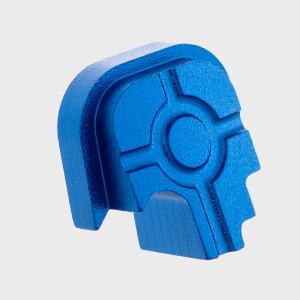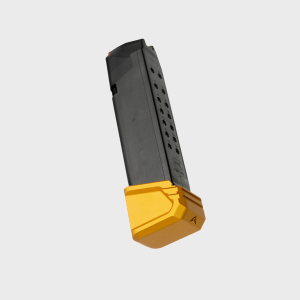
The SIG Sauer P320 is known for modularity, but some of the most noticeable improvements do not require rebuilding the entire pistol. The controls that connect your hands to the platform can have a major influence on how comfortable, predictable, and consistent the P320 feels. The takedown lever, slide catch, and trigger are three areas where relatively focused changes can alter the shooting interface without changing the overall character of the pistol.
The key is understanding what each component actually changes. A takedown lever can influence support-hand placement, an upgraded slide catch can provide a more accessible contact surface, and trigger geometry can change how the finger interfaces with the firing system. These upgrades solve different problems, so the best approach is to identify what feels limiting on your current P320 before choosing parts.
Why P320 Controls Are Worth Evaluating
Controls are used repeatedly every time the pistol is handled. Small differences in their shape, position, and surface area can therefore become much more noticeable than their size suggests.
Hand Size Changes the Experience
A control that feels perfectly positioned for one shooter may require another shooter to alter hand position. Thumb length, palm size, grip pressure, and the specific P320 grip module all influence accessibility.
Your Grip Module Matters
The modular P320 platform can be configured with different grip modules. Changing the grip module can alter how your hand reaches the controls, so it makes sense to establish your preferred grip configuration before making several control changes.
The P320 Takedown Lever Is More Than a Disassembly Control
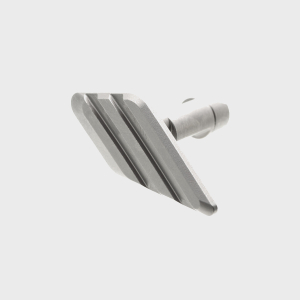
The takedown lever is primarily associated with field stripping, but its position on the side of the frame also places it near an important support-hand contact area. For shooters using a high thumbs-forward grip, its profile can influence how naturally the support hand settles against the pistol.
Standard Takedown Lever
The factory-style lever prioritizes straightforward manipulation during disassembly. If it does not interfere with your support hand and remains easy to operate, there may be little reason to change it.
Lower-Profile Options
A flatter takedown lever reduces protrusion along the side of the frame. This can create a cleaner surface for shooters whose support-hand thumb naturally indexes around the lever area.
Ergonomic Takedown Lever Designs
Other aftermarket approaches intentionally provide a more defined contact surface. Depending on the design and the shooter's technique, this can influence how the support hand indexes against the frame.
Choose a Takedown Lever Around Your Grip
There is no single takedown lever profile that is automatically better. The correct choice depends on how your support hand interacts with the pistol.
Watch for Pressure Points
If the factory lever creates an uncomfortable contact point during longer range sessions, a different profile may make the side of the pistol feel more natural.
Don't Add Protrusion Without a Reason
A larger control should provide a specific ergonomic benefit. If additional material interferes with your grip rather than supporting it, the modification works against its intended purpose.
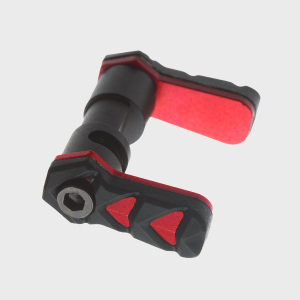
The Slide Catch Can Change Reload Ergonomics
The P320 slide catch has an important job during normal operation. It allows the slide to lock open and provides a control surface for shooters who choose to use it during slide-lock reloads.
Why Surface Area Matters
A small contact surface requires more precise thumb placement. Increasing the usable surface slightly can make the control easier to locate consistently.
Accessibility Matters More Than Size
The objective should not be to install the largest slide catch available. A well-designed upgrade provides enough additional contact area to improve accessibility without creating unnecessary bulk.
Extended Slide Catch Tradeoffs
Increasing the size of a control always introduces another consideration: your hand can contact it when you do not intend to.
High Grip Interference
Shooters who use a high thumbs-forward grip should pay particular attention to thumb placement. If the firing or support hand rides against the slide catch, additional surface area can increase the likelihood of unintended contact.
Carry vs Range Priorities
A range-focused P320 can accommodate more aggressive control geometry when the shooter finds it beneficial. A carry-oriented setup may benefit from a more moderate profile that improves accessibility without substantially increasing protrusion.
Consistency Is the Goal
The ideal slide catch is one you can locate intentionally while leaving it alone when it is not needed. More surface area is valuable only when it improves that consistency.
Trigger Feel Starts With More Than the Trigger Shoe
The trigger is usually the first component discussed when shooters talk about improving P320 feel. However, it is important to separate trigger-shoe ergonomics from the mechanical characteristics of the complete firing system.
The Shoe Changes Finger Interface
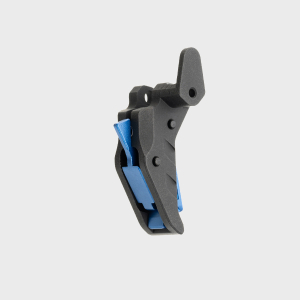
Trigger shape affects where the finger rests and how pressure is applied. A different shoe geometry can therefore make the trigger feel more natural even when the underlying internal operation remains largely unchanged.
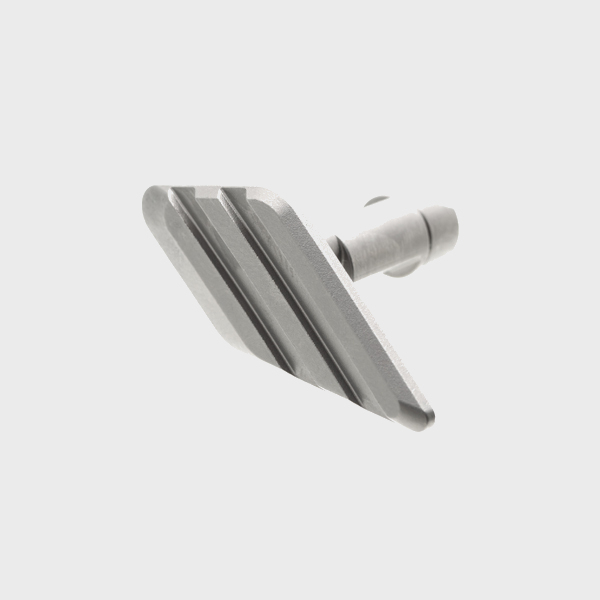
Flat vs Curved Trigger Feel
A flatter trigger face provides a different contact surface than a traditional curved profile. Some shooters prefer the more consistent finger placement of a flat design, while others find a curved trigger more intuitive.
Neither geometry is universally superior. Finger length, hand size, grip module dimensions, and personal preference all influence which feels better.
Why a New Trigger Shoe May Not Create a Completely Different Break
One of the most important things P320 owners should understand is that the trigger shoe is only one part of the system. Installing a different shoe can change leverage and finger placement, but it does not automatically change every characteristic responsible for take-up, wall definition, break, overtravel, and reset.
Ergonomic Feel vs Mechanical Feel
A trigger can feel more comfortable under the finger without becoming dramatically different mechanically. This distinction helps prevent unrealistic expectations when selecting a trigger upgrade.
Evaluate What You Actually Want to Change
If your complaint is uncomfortable finger placement, trigger geometry may be the main consideration. If the concern involves other characteristics of the trigger cycle, simply replacing the shoe may not address everything you notice.
Trigger Reach Depends on the Complete Grip Setup
Before selecting a trigger based entirely on its advertised shape, evaluate how the P320 sits in your hand. Grip module dimensions can change the relationship between the firing hand and trigger.
Finger Placement Matters
The trigger should provide a repeatable contact point that does not require an unnatural adjustment of the firing hand.
Set Up the Grip First
If you plan to change grip modules, it often makes sense to establish the new grip configuration before making a final decision about trigger geometry. Otherwise, you may choose a trigger based on hand positioning that changes afterward.
Think of All Three Controls as One Interface
The takedown lever, slide catch, and trigger may perform completely different functions, but ergonomically they all influence how the shooter interfaces with the P320.
Support-Hand Interface
The takedown lever can influence how naturally the support hand rests against the frame.
Thumb Interface
The slide catch determines how easily the thumb can locate an important control without excessive grip movement.
Trigger-Finger Interface
The trigger establishes the contact point between the firing hand and the fire-control system.
A balanced P320 setup considers all three rather than making each modification independently.
Avoid the Oversized-Control Trap
Aftermarket controls are often marketed around additional surface area, but larger is not automatically more ergonomic.
More Surface Can Mean More Unintended Contact
An oversized slide catch can interact with the thumb. An excessively prominent takedown lever can create an unwanted pressure point. Even trigger geometry that looks appealing may not match the shooter's hand position.
OEM-Plus Can Be the Better Direction
For many P320 owners, the ideal upgrade provides a noticeable ergonomic improvement while retaining a relatively factory-like profile. Moderate changes can deliver the desired benefit without making the pistol feel overbuilt.
Carry and Range Builds May Need Different Controls
How the P320 is used should influence the degree of modification.
Carry-Focused P320
A carry configuration generally benefits from controls that remain relatively streamlined. Improved accessibility can be valuable, but excessive protrusion may work against the compact and comfortable nature of the setup.
Training-Focused P320
A pistol used extensively at the range may place greater emphasis on comfortable control manipulation and consistent hand placement over long sessions.
Performance-Focused P320
A performance-oriented setup can prioritize faster access and a more specialized control interface when those changes match the shooter's established technique.
Make Changes One at a Time
Replacing the takedown lever, slide catch, trigger, and grip module simultaneously makes it difficult to determine which modification actually improved the pistol.
Start With the Biggest Friction Point
If your support-hand thumb is uncomfortable, evaluate the takedown lever first. If accessing the slide catch is inconsistent, address that control. If finger placement on the trigger feels unnatural, evaluate trigger geometry.
Reevaluate After Each Change
A modification in one area can influence how another control feels. Changing grip geometry, for example, may alter thumb reach and trigger-finger position at the same time.
A gradual approach produces a more purposeful build and makes it easier to identify which upgrades provide genuine value.
Did You Know?
The P320 takedown lever sits near a common support-hand contact area, so changing its profile can alter how the pistol feels in the hand even though the lever's primary mechanical purpose is disassembly.
Conclusion
P320 control upgrades are most effective when they improve the connection between the shooter and the pistol rather than simply making every component larger. A different takedown lever can refine support-hand placement, a properly sized slide catch can improve accessibility, and trigger geometry can create a more natural finger interface. Evaluate your grip module, hand position, and intended use first, then address the specific controls that limit comfort or consistency. For P320 and other SIG Sauer components designed around ergonomic customization, explore Tyrant CNC SIG Sauer upgrades.
FAQs
What P320 control should I upgrade first?
Start with the control that consistently creates an ergonomic problem. That may be the takedown lever for support-hand comfort, the slide catch for accessibility, or the trigger if finger placement feels unnatural.
Can a P320 takedown lever change how the pistol feels?
Yes. Its location places it near the support hand, so changing the lever's profile can alter thumb indexing and the amount of protrusion felt against the hand.
Is an extended P320 slide catch always better?
No. Additional surface area can improve accessibility, but a control that is too large may interfere with a high grip or experience unintended contact.
Will changing the P320 trigger shoe completely change trigger feel?
Not necessarily. Trigger-shoe geometry can change finger placement and leverage, but the complete trigger feel also depends on other parts of the fire-control system.
Should I change the grip module before choosing P320 controls?
If a grip-module change is already planned, establishing the preferred grip first can be helpful because grip dimensions influence thumb reach, support-hand placement, and trigger-finger position.