Moving from a Glock Gen 5 to a Gen 6 creates an obvious question for anyone who already owns aftermarket accessories: how much of the existing setup can be reused? The two generations retain enough similarities that many accessories remain relevant, but they are not identical platforms. Assuming that every product labeled for Gen 5 will automatically work with Gen 6 can lead to poor fitment, wasted purchases, or a setup that does not perform as expected.
The most important distinction is between accessories that depend primarily on the pistol's external dimensions and components that interact with its internal operating geometry. Magazines, sights, holsters, and certain external accessories generally have greater crossover potential, while barrels, recoil components, triggers, and slide internals require much closer attention. Buyers should verify the exact model, generation, and manufacturer fitment statement before ordering.
Why Gen 5 and Gen 6 Compatibility Can Be Confusing
At first glance, a Gen 5 and Gen 6 Glock can appear similar enough that accessories seem interchangeable. That visual similarity is useful for some categories, but it can also create false confidence when shopping for upgrades.
External Dimensions Can Stay Familiar
Accessories that interface with established external mounting points have a better chance of crossing between generations. This is why existing magazines, sights, rail-mounted equipment, and some holsters may remain useful after moving to Gen 6.
Internal Geometry Is a Different Question
A component can look almost identical while relying on dimensions or interfaces that changed between generations. Parts associated with barrel lockup, recoil operation, trigger geometry, or slide internals should therefore be treated differently from simple external accessories.
Magazines Are One of the First Things to Check
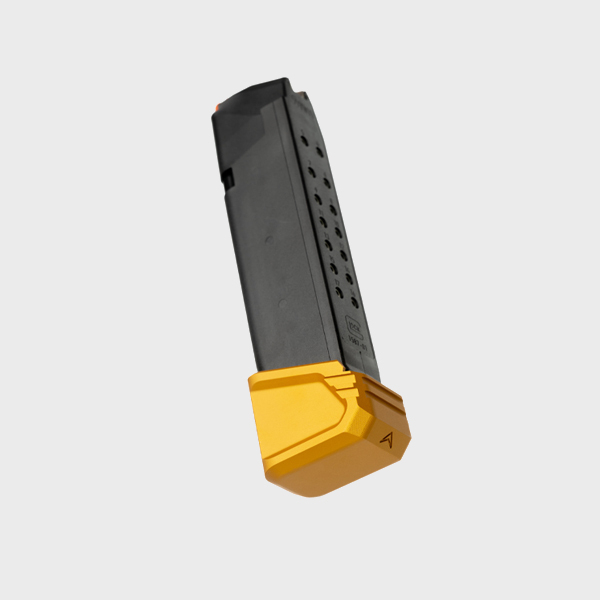
For owners with a large collection of Gen 5 magazines, magazine compatibility is naturally a major concern. This category generally provides much stronger crossover potential than generation-specific internal components.
Magazine Body Fitment
Compatible Gen 5 magazines can remain useful with corresponding Gen 6 pistols, allowing owners to retain much of an existing magazine inventory rather than starting over.
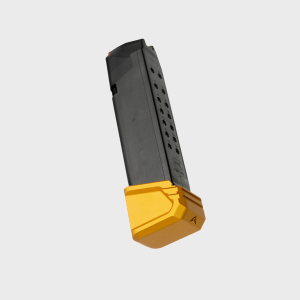
Magazine Extensions and Basepads
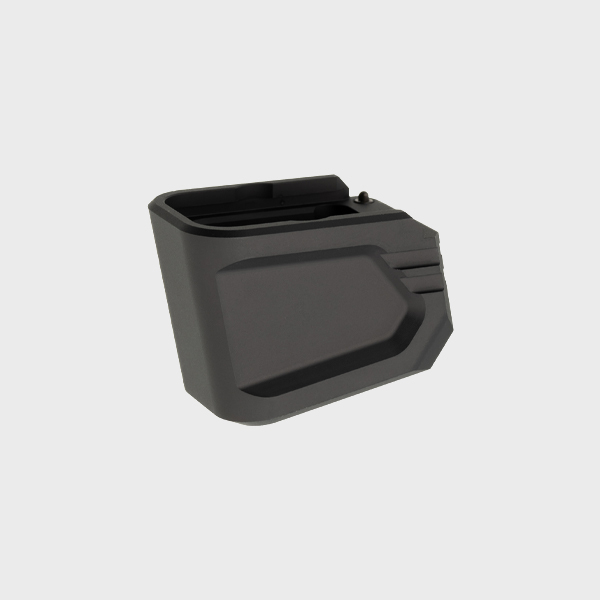
Extensions and replacement basepads require an additional compatibility check. The accessory may be designed around the magazine itself rather than the pistol generation, but buyers still need to confirm the exact magazine body and extension combination.
If an aftermarket magwell is also installed, basepad clearance becomes another factor. A magazine can fit the pistol while an oversized basepad interferes with the magwell and prevents proper seating.
Double Check Holster Fit Instead of Assuming
Holsters are another accessory category where Gen 5 owners may be able to retain existing equipment. Similar external dimensions can allow many holsters to accommodate the newer generation, but holster construction makes a significant difference.
Precision-Molded Holsters Need More Attention
A tightly molded Kydex holster depends on specific contact points for retention. Small changes around the slide, frame, controls, or accessory configuration can therefore affect how the pistol enters, locks into, or exits the holster.
Lights Change the Equation
With light-bearing holsters, compatibility depends on the complete pistol-and-light combination. Buyers should confirm the exact Glock model, generation, weapon light, and holster rather than assuming that compatibility with one component guarantees compatibility with the complete setup.
Iron Sights Usually Have Strong Crossover Potential
Iron sights are among the easier accessories to evaluate because compatibility is primarily determined by the slide's sight mounting interfaces.
Check Front and Rear Sight Fitment
Do not rely only on a product description that says “Glock sights.” Verify that the manufacturer specifically supports the models and generations involved.
Optic Height Can Affect Sight Choice
If the pistol also uses a red dot, sight height becomes just as important as basic mechanical fit. A sight that installs correctly may not provide the sight picture you want with a particular optic and mounting configuration.
Optics Require More Than a Generation Check
Red-dot compatibility should be approached separately from general Gen 5 versus Gen 6 accessory compatibility. The optic footprint, slide cut, mounting system, plate, and screw dimensions all matter.
Verify the Exact Slide Configuration
Two pistols from the same generation may use different optics arrangements depending on the model. Confirm what mounting interface your particular slide provides before ordering an optic or adapter.
Pay Attention to Mounting Hardware
Screw length deserves particular attention. Hardware that is correct for one slide, optic, or plate combination should not automatically be reused with another configuration.
Always follow the mounting specifications provided for the exact optic and slide combination rather than assuming that previously used screws remain appropriate.
Weapon Lights and Rail Accessories Need Model-Level Verification
Rail-mounted accessories often have good crossover potential because they rely on external mounting geometry rather than internal pistol components.
Check the Mounting Key
Many weapon lights use interchangeable keys or adapters to establish proper positioning on the rail. Verify that the correct mounting hardware is installed for the specific Glock model.
Recheck Holster Compatibility Afterward
Even when the light fits both generations, the existing light-bearing holster should still be checked with the complete new configuration. The accessory fitting the rail and the entire pistol fitting the holster are two separate compatibility questions.
Magazine Releases and Slide Controls Deserve a Closer Look
External controls may look like straightforward crossover accessories, but buyers should still rely on explicit manufacturer fitment rather than appearance.
Magazine Release Geometry
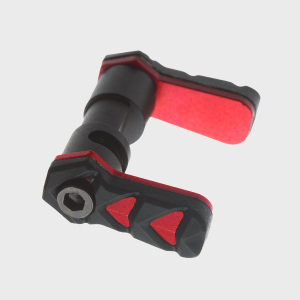
An extended magazine release should provide the intended additional contact surface without interfering with normal grip placement or magazine retention.
Slide Release Fitment
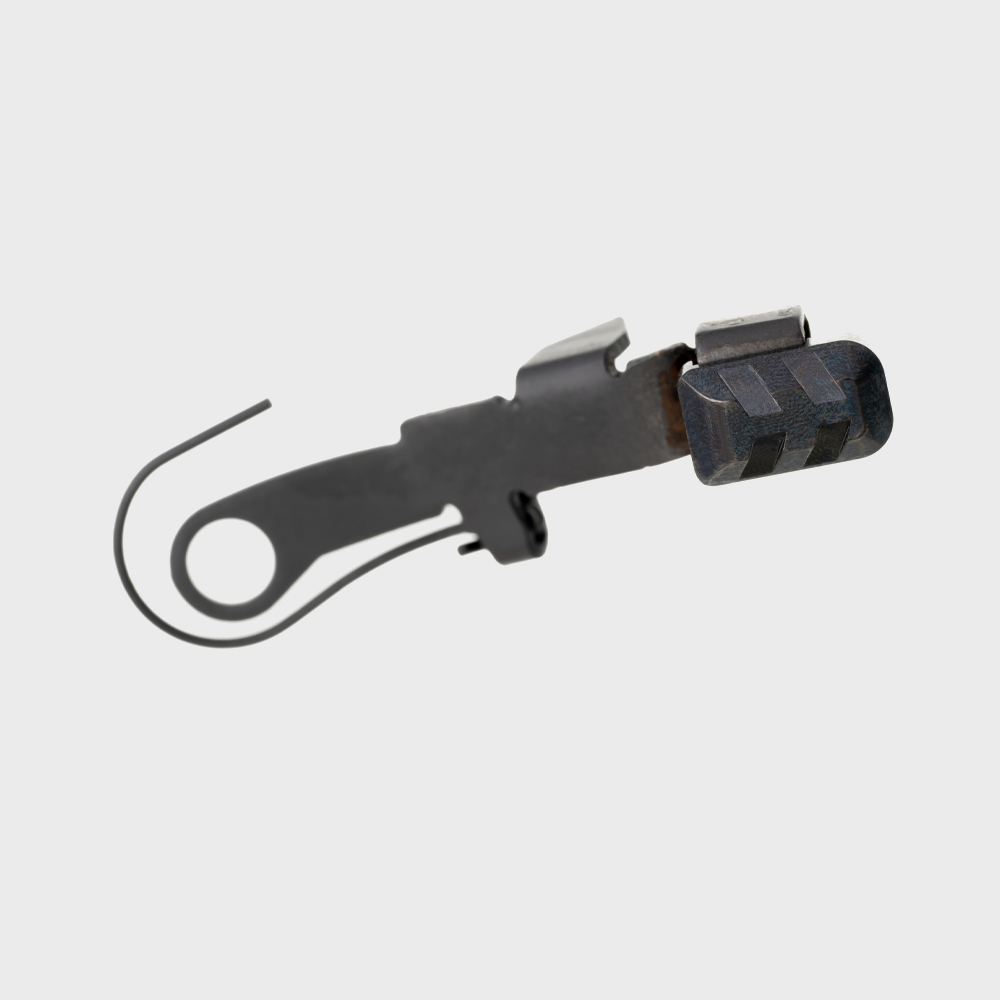
Slide controls need to interface correctly with the specific frame and slide configuration. If an existing Gen 5 control is not explicitly listed for Gen 6, confirm compatibility before attempting to reuse it.
Cross-Generation Products Should Say So
If an aftermarket manufacturer has designed and tested a component for both generations, that compatibility should be clearly identified. A vague description such as “fits Glock” is not enough for a buyer trying to avoid fitment problems.
Barrels Should Be Treated as Generation Specific
Barrels are very different from accessories such as sights or magazine basepads because they are part of the pistol's operating system. Lockup geometry and interaction with the slide make correct fitment essential.
Physical Similarity Does Not Establish Compatibility
A barrel should never be selected simply because its overall dimensions look similar to an earlier-generation component. Use a barrel specifically identified for the exact Glock generation and model.
Compensated Builds Need Additional Checks
If the setup includes a threaded barrel or compensator, compatibility extends beyond the barrel itself. Slide length, barrel dimensions, thread specification, and compensator design all need to work together.
Recoil Components Require Gen 6-Specific Attention
Recoil assemblies are another area where buyers should avoid assuming Gen 5 compatibility. These components interact directly with the slide and barrel during operation, making correct dimensions important.
Don't Reuse a Guide Rod Because It Looks Similar
Aftermarket guide rods, springs, and recoil assemblies should be purchased according to explicit generation and model fitment.
Complete Upper Changes Need a System-Level Check
Mixing slides, barrels, recoil components, and internal parts from different generations creates far more compatibility questions than changing a simple external accessory. Buyers considering major upper changes should treat the complete assembly as a system.
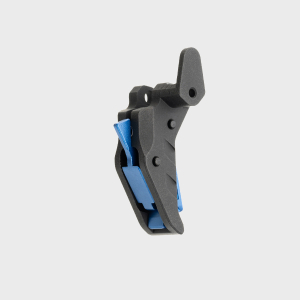
Trigger Compatibility Needs Extra Caution
Trigger products are another category where “it fits” and “it is correctly compatible” are not necessarily the same thing. A component may physically install while still interacting differently with the surrounding parts.
Look for Explicit Gen 6 Fitment
If purchasing a trigger for Gen 6, select a product specifically designed and validated for the new generation rather than assuming a Gen 5 trigger will provide identical operation.
Don't Judge Compatibility by Installation Alone
Being able to install a component does not prove that its geometry is correct for the platform. Manufacturer-supported fitment is considerably more meaningful than visual similarity.
Slide Internals Are Not the Place to Guess
Small internal components can be particularly misleading because differences may be difficult to identify visually. Extractor-related parts, striker components, springs, and other slide internals should be checked individually.
Small Dimensional Differences Matter
An internal component does not need to look dramatically different to require a generation-specific version. Small changes in geometry or tolerances can alter how components interact.
Use the Exact Parts Listing
When replacing an internal component, match the part to the exact Glock model and generation instead of shopping by appearance or assuming that an earlier-generation version will work.
Don't Forget Magwell and Basepad Compatibility
Even accessories that individually fit the pistol can conflict with one another. Magwells and magazine basepads are a good example.
Check Seating Clearance
The upper edge of an aftermarket basepad needs enough clearance to pass the magwell and allow the magazine to reach its fully seated position.
Think About the Entire Magazine Setup
Magazine body, extension, spring, follower, and magwell should be considered together. If you are moving magazines from a Gen 5 setup to Gen 6, verify the complete combination rather than checking only whether the magazine body enters the frame.
The Safest Buying Strategy: Verify Before You Transfer
The easiest way to avoid Gen 5 versus Gen 6 compatibility mistakes is to separate your accessories into categories before moving anything to the newer pistol.
Start With External Accessories
Existing magazines, sights, holsters, and rail-mounted accessories are logical items to evaluate first because they have stronger crossover potential.
Be More Selective With Controls
For magazine releases, slide releases, magwells, and similar parts, look for explicit cross-generation compatibility from the manufacturer.
Treat Internal Parts as Gen 6 Specific
Barrels, recoil assemblies, trigger components, complete slides, and slide internals deserve the highest level of fitment verification. Purchasing parts specifically designed for Gen 6 is generally the better approach when dealing with these operating components.
Did You Know?
Two Glock accessories can both fit individually and still be incompatible when used together. Magwells and magazine extensions, or optics and mounting screws, are examples where complete-system fitment matters just as much as individual part compatibility.
Conclusion
Glock Gen 5 and Gen 6 share enough characteristics that owners may be able to reuse several existing accessories, but compatibility should never be assumed from appearance alone. Magazines, sights, holsters, and rail accessories generally deserve the first look, while controls should be verified individually and internal operating components require much greater caution. Before purchasing or transferring an accessory, confirm the exact Glock model, generation, mounting interface, and manufacturer fitment information. For Glock accessories and upgrade options designed around specific platform requirements, explore Tyrant CNC Glock components.
FAQs
Can I use my Gen 5 Glock magazines with Gen 6?
Compatible Gen 5 magazines have strong crossover potential with corresponding Gen 6 models, but magazine extensions, basepads, and magwells should still be checked as a complete combination.
Will my Gen 5 Glock holster fit Gen 6?
Many may because of similarities in external dimensions, but tightly molded and light-bearing holsters should be verified with the exact Gen 6 pistol configuration.
Can I move Gen 5 sights to a Gen 6 Glock?
Many sight options may transfer, but buyers should verify the exact model and sight specifications. Optic-equipped pistols also require consideration of sight height and the mounting configuration.
Should I reuse a Gen 5 barrel or recoil assembly in Gen 6?
These operating components should be treated as generation-specific. Use products explicitly identified for your exact Gen 6 model rather than assuming compatibility.
What is the most important thing to check when buying Gen 6 accessories?
Look for an explicit manufacturer fitment statement covering your exact Glock model and generation. Physical similarity or successful installation alone should not be treated as proof of proper compatibility.