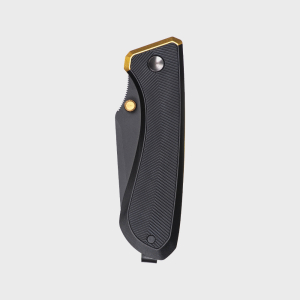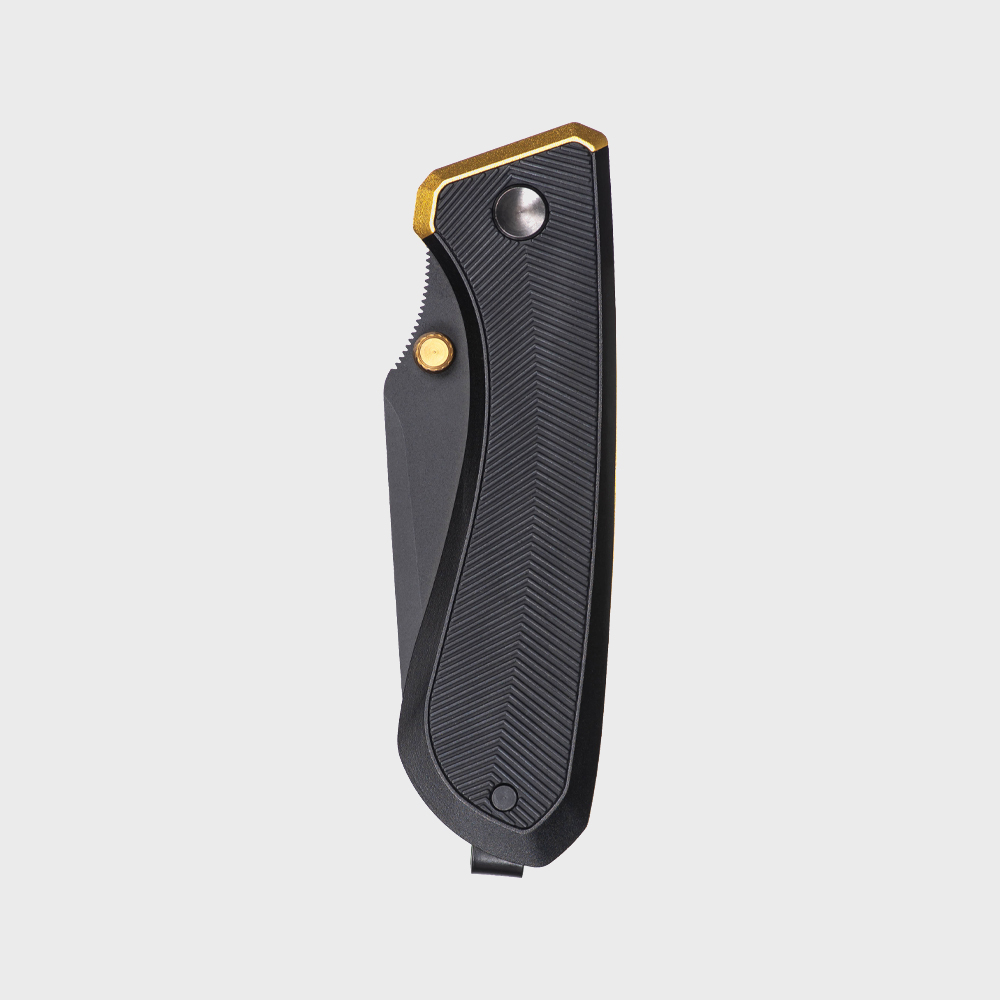
An EDC knife gets used for everything—opening packages, cutting food, scraping adhesives, and riding in your pocket all day. That mix leads to buildup: sticky residue, moisture, and lint that can slow action and affect cutting performance. Cleaning it properly keeps the edge sharp, the action smooth, and the knife reliable.
This guide breaks down how to clean common contaminants without damaging the blade, finish, or pivot.
What Builds Up (and Why It Matters)
-
Food residue: Can cause corrosion and odor
-
Tape adhesive: Creates drag and attracts more debris
-
Pocket lint: Packs into the pivot and slows deployment
Left untreated, these reduce cutting efficiency and can lead to long-term wear.
Basic Cleaning Setup
You don’t need specialized gear—just controlled cleaning and the right materials.
-
Warm water and mild soap
-
Microfiber cloth or soft towel
-
Soft brush (toothbrush works well)
-
Isopropyl alcohol
-
Wooden toothpick or plastic pick
Avoid harsh chemicals or abrasive tools that can damage finishes.
Step 1: Remove Food Residue Safely
Food acids and moisture can affect both edge and steel over time.
-
Rinse the blade with warm water
-
Use mild soap to break down oils and residue
-
Dry immediately—don’t air dry
Keep water out of the pivot as much as possible.
Step 2: Break Down Tape Gunk and Adhesives
Adhesive buildup is the most common performance killer for EDC knives.
-
Apply a small amount of isopropyl alcohol to a cloth
-
Wipe the blade—don’t soak it
-
Repeat until the surface feels clean and smooth
For stubborn residue, let the alcohol sit briefly before wiping.
Step 3: Clear Pocket Lint from the Pivot
Lint collects around the pivot, lock, and handle scales.
-
Use a dry brush to loosen debris
-
Use a toothpick to remove packed lint
-
Avoid blowing debris deeper into the pivot
This restores smooth opening and consistent lockup.
Step 4: Dry and Inspect
Moisture is the fastest way to degrade performance.
-
Wipe all surfaces dry immediately
-
Check for remaining residue or buildup
-
Open and close the knife to confirm smooth action
If the action still feels slow, repeat lint removal.
Step 5: Light Lubrication
After cleaning, a small amount of lubrication restores performance.
-
Apply a drop to the pivot area only
-
Open and close the blade to distribute
-
Wipe away excess—more is not better
Too much lubricant attracts more lint and debris.
Common Mistakes to Avoid
-
Soaking the knife in liquid
-
Using abrasive pads or steel wool
-
Applying heavy oil inside the pivot
-
Ignoring lint buildup over time
Most long-term issues come from over-cleaning or using the wrong materials.
Did You Know?
Adhesive residue increases cutting resistance, making even a sharp blade feel dull during use.
Conclusion
Keeping an EDC knife clean doesn’t take much effort, but it makes a major difference in performance. Removing residue, clearing lint, and maintaining proper lubrication ensures smooth action and reliable cutting every time. For everyday carry tools built for real-world use, explore EDC gear designed for durability and easy maintenance.
FAQs
Can I wash my EDC knife with water?
Yes, but only briefly and always dry it immediately afterward.
What removes sticky tape residue best?
Isopropyl alcohol works effectively without damaging the finish.
How often should I clean my knife?
After heavy use or whenever buildup affects performance.
Is lubrication necessary every time?
Only after cleaning or when the action feels dry.
Can lint damage my knife?
Yes, buildup in the pivot can slow or disrupt smooth operation.