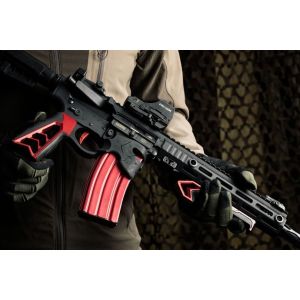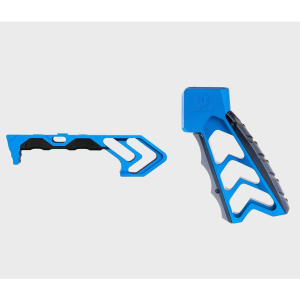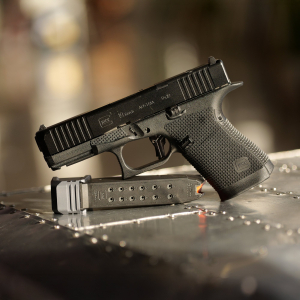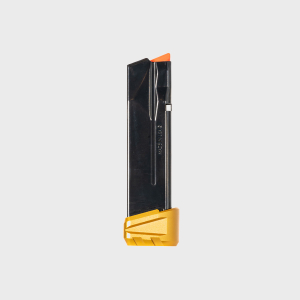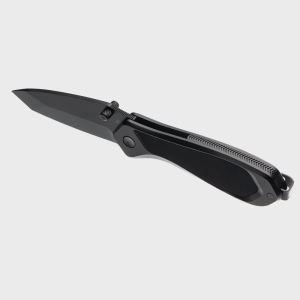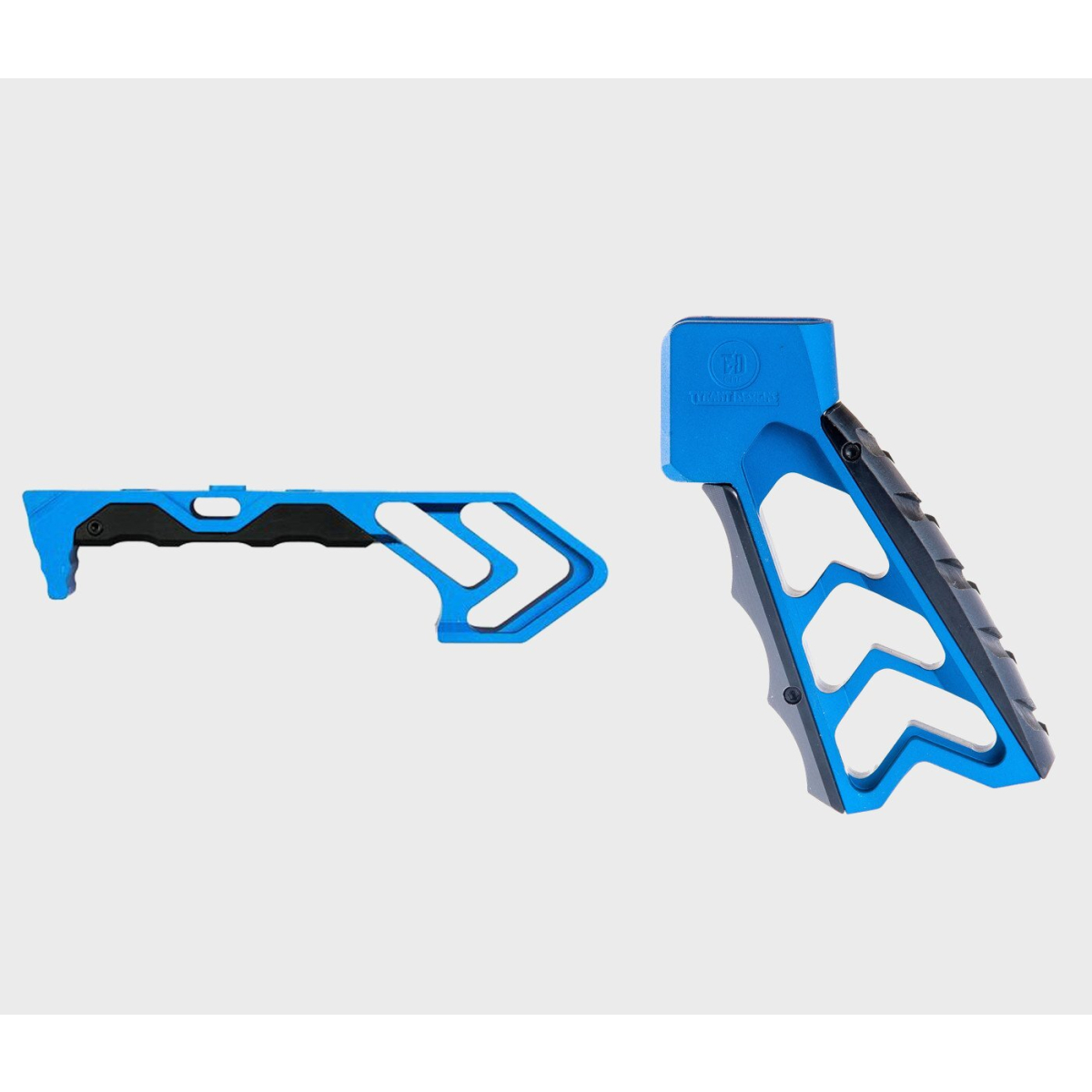
A clean build depends on more than just picking the same color name across components. “Black,” “FDE,” or “OD Green” can vary significantly depending on coating method, material, and production batch. The result is a mismatched setup that looks inconsistent—even when every part was technically the “same color.”
Achieving a uniform finish requires understanding how coatings behave and making deliberate choices during the build process.
Why “Same Color” Doesn’t Mean Same Shade
Color differences usually come from process variables—not labeling.
-
Different anodizing batches shift tone slightly
-
Cerakote depends on application thickness and curing
-
Material type changes how light reflects
-
Surface texture alters perceived color
Even small variations become obvious when parts sit side by side.
Match Finish Type First, Then Color
The biggest mistake is mixing finish types while expecting identical color.
-
Anodized parts reflect light differently than coated parts
-
Polymer never matches metal exactly, even with identical color codes
-
Matte and gloss finishes will always appear different
Start by keeping finish types consistent across major components before worrying about color matching.
Understand Anodizing Variability
Anodizing is a chemical process that reacts with the aluminum itself. This means results vary slightly depending on alloy and batch conditions.
-
Two “black” anodized parts can range from deep black to charcoal
-
FDE anodizing often shows the most variation
-
Lighting conditions exaggerate or hide these differences
This variation is normal, not a defect.
Control What You Can
Buy Matching Parts Together
Ordering related parts at the same time increases the chance they come from the same production batch.
Stick to One Manufacturer
Parts from the same manufacturer are more likely to share consistent finishing processes.
Check Under Natural Light
Indoor lighting can mask mismatches. Always evaluate parts in daylight before final assembly.
When Perfect Matching Isn’t Realistic
Trying to force a perfect match across different finishes often leads to frustration. In these cases, intentional contrast works better.
-
Pair black with clearly different accent colors
-
Avoid mixing close-but-not-identical tones
-
Use contrast to create a deliberate visual layout
Controlled contrast looks intentional. Near-matching tones look like mistakes.
Watch for Problem Areas
Certain parts tend to highlight mismatches more than others:
-
Grip modules vs metal slides
-
Handguards vs receivers
-
Magazine baseplates vs frames
These areas sit close together and catch light differently, making inconsistencies more noticeable.
Did You Know?
Two parts with identical color codes can still look different because surface texture changes how light scatters across the finish.
Conclusion
Finish matching is about controlling variables, not chasing perfect color codes. Keeping coatings consistent, sourcing parts strategically, and evaluating under proper lighting ensures a clean, cohesive build. When exact matching isn’t possible, intentional contrast delivers a better result than near-miss tones. To build with components designed for consistent finishing, explore performance parts engineered for cohesive setups.
FAQs
Why do two black parts look different?
Differences in anodizing, coating thickness, and surface texture change how light reflects.
Can Cerakote match anodizing exactly?
No. They are different processes and will reflect light differently.
Is slight color variation normal?
Yes. Minor variation is expected, especially with anodized finishes.
How do I get the best color match?
Buy parts from the same manufacturer and production period whenever possible.
Should I avoid mixing materials?
If visual consistency matters, yes. Different materials rarely match perfectly.