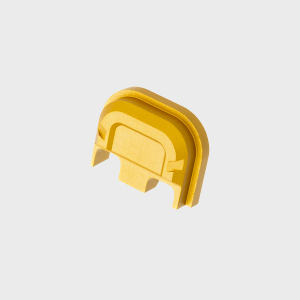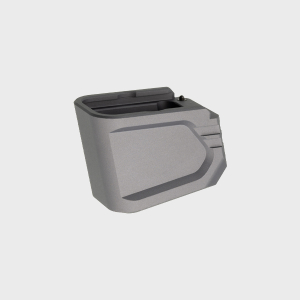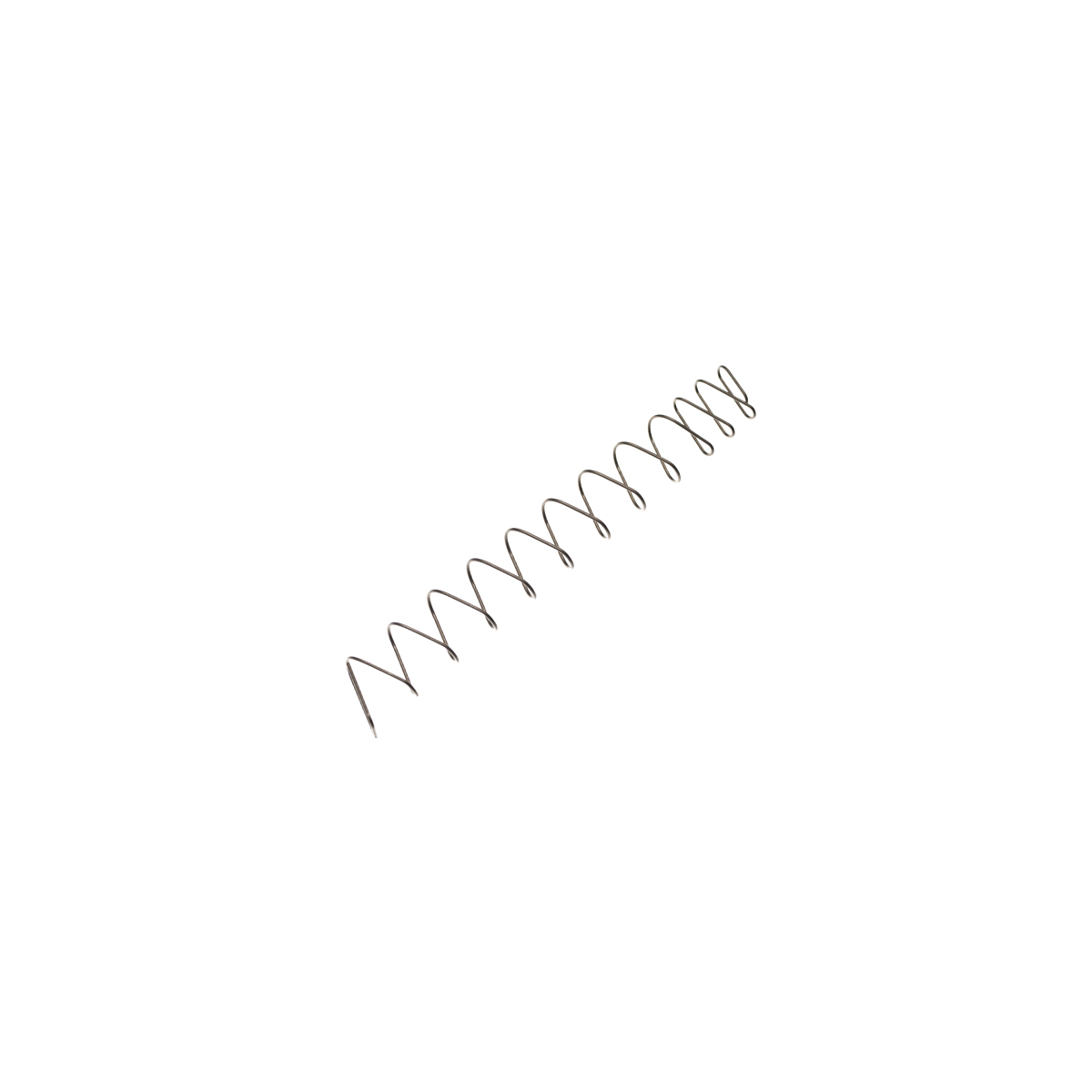
Choosing the right time to upgrade to stronger magazine springs is one of the most overlooked reliability decisions in pistol and PCC setups. As round counts increase, slide velocity rises, and extended basepads become more common, your stock spring may no longer generate enough upward force to keep feeding consistent. This guide breaks down exactly when a spring upgrade becomes necessary, how capacity changes affect spring tension, and the early warning signs of impending feed issues.
How Magazine Capacity Affects Spring Requirements
Magazine springs are engineered for a specific tension range. When you increase internal space or add rounds past the factory limit, the stock spring must work harder to maintain consistent feeding.
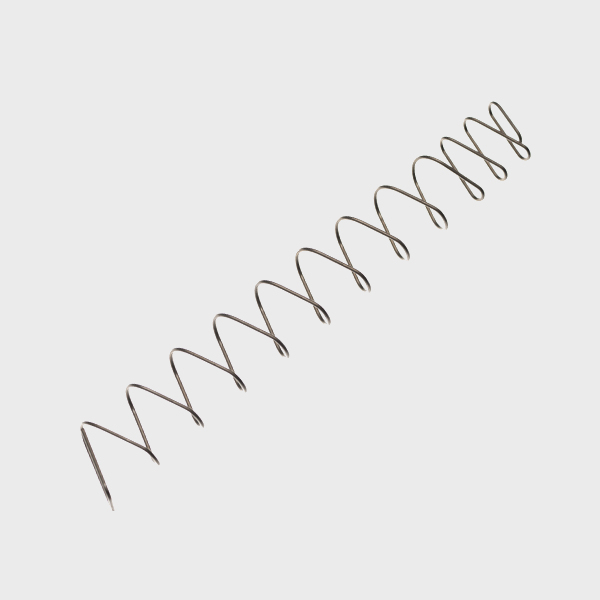
Why added capacity stresses springs
-
More column weight: The extra rounds add downward pressure the spring must counter.
-
Higher slide speed: Compensated pistols, +P ammo, and tuned recoil systems all increase the demand on the magazine spring.
-
Longer stroke distance: The follower must travel farther with extensions, reducing stability when compressed.
-
Reduced preload: Basepads often lengthen the tube, meaning the spring compresses less and exerts less upward force.
Most malfunctions tied to extended magazines come from insufficient spring tension - not the extension itself.
Capacity Thresholds That Require Stronger Springs
+1 or +2 Extensions
-
Typically safe with OEM springs
-
Upgrade recommended if you shoot hot ammo, run a comp, or have high round counts
+3 or +4 Extensions
-
Upgrade becomes highly recommended
-
Stock springs often fail to keep up with aggressive slide velocity
-
Most reliability issues (FTF/FTE) show up here
+5 and Above (Competition Length)
-
Mandatory spring upgrade
-
Best practice: install extra-power springs designed for high-capacity tubes
-
Ideal for range, competition, or PCC use
Signs You Need a Stronger Magazine Spring Immediately
-
Nose-down failures to feed
-
Slide outrunning the magazine during rapid fire
-
Bolt-over-base malfunctions
-
Failures to lock back on empty
-
Rounds shifting or “clicking” when loaded
-
Weak or inconsistent cycling with reliable ammo
Did you know?
Even a fully functional magazine can lose up to 20–25% of spring tension after extended use with +3 or larger extensions. That loss often goes unnoticed until rapid-fire drills expose feeding inconsistencies.
Optimizing Magazine Springs for Performance
Upgrading magazine power springs should be proactive - not reactive. If you’re adding capacity beyond +2, using comps, shooting hotter ammo, or relying on your pistol for carry or duty, stronger springs keep feeding consistently and prevent premature wear. They also stabilize the follower, improve slide lock reliability, and maintain consistent round presentation under recoil.
Explore our magazine extension.
FAQs
1. Does adding a magazine extension always require a spring upgrade?
Not always, but anything above +2 generally benefits from a stronger spring, especially if the firearm cycles fast or uses hotter loads.
2. How often should magazine springs be replaced?
For high-use shooters, replacing springs every 5,000–10,000 rounds keeps reliability consistent. Defensive magazines should be checked more frequently.
3. Will stronger springs make magazines harder to load?
Yes, slightly—but that extra tension ensures reliable feeding, especially near full capacity.
4. Can weak magazine springs cause extraction or ejection issues?
Indirectly, yes. If the slide outruns the magazine or rounds drag, timing can disrupt ejection and cycling.
5. Are OEM replacement springs good enough for extended magazines?
Most OEM springs aren't designed for extensions beyond +2, so extra-power springs are recommended for larger capacity increases.