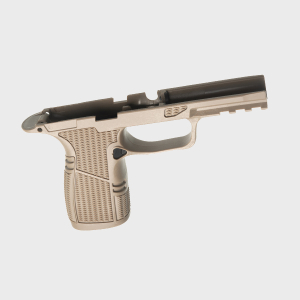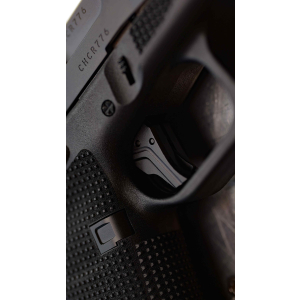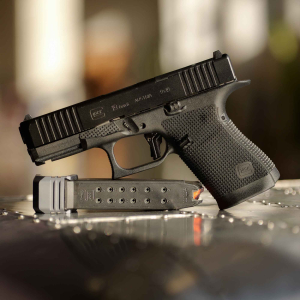
Whenever Glock releases a new generation, one of the biggest questions is how much of the aftermarket ecosystem still works. Glock Gen 6 keeps many familiar dimensions and external features from Gen 5, but internal changes create new compatibility limits that builders and upgrade-focused shooters need to understand.
Some aftermarket parts transfer over with little issue, while others require Gen 6-specific versions to maintain proper reliability and fitment. Understanding where the compatibility line exists helps avoid wasted money and frustrating installation problems.
Why Gen 6 Compatibility Is Different
Externally, Gen 6 still resembles Gen 5 closely enough that many accessories and controls continue to work. Internally, however, Glock revised several key systems including barrel geometry, recoil setup, and some slide internals. These changes affect how aftermarket parts fit and function.
The result is a platform where external upgrades remain largely flexible, while internal upgrades require much more attention.
Aftermarket Parts That Typically Cross Over
Several common upgrades remain compatible between Gen 5 and Gen 6 because the external dimensions and mounting systems stay similar.
Magazines and Baseplates
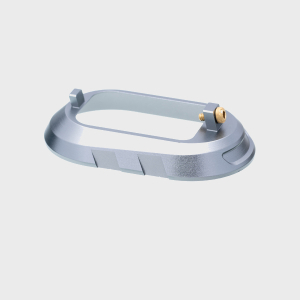
Gen 5 magazines continue to function in Gen 6 pistols without issue. Magazine extensions and upgraded baseplates designed around Gen 5 dimensions generally transfer over as well.
Sights and Optics
The sight cuts remain consistent, allowing Gen 5 aftermarket sights to fit Gen 6 slides. Many optics-ready accessories and mounting solutions also continue to work depending on the slide configuration.
Holsters
Most Gen 5 holsters fit Gen 6 pistols because the external profile remains extremely close. However, precision-fit Kydex holsters may require minor retention adjustments depending on slide stop or frame revisions. :contentReference[oaicite:0]{index=0}
Magazine Releases and Slide Releases
External controls designed for Gen 5 often remain compatible because the frame dimensions and control positioning have not changed significantly.
Rail-Mounted Accessories
Weapon lights, lasers, and other rail-mounted accessories continue to mount normally since the accessory rail system remains consistent. :contentReference[oaicite:1]{index=1}
Partially Compatible Aftermarket Parts
Some upgrades physically fit but may not perform exactly the same due to geometry or tolerance changes.
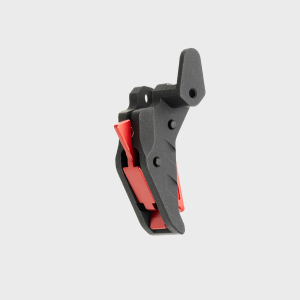
Trigger Systems
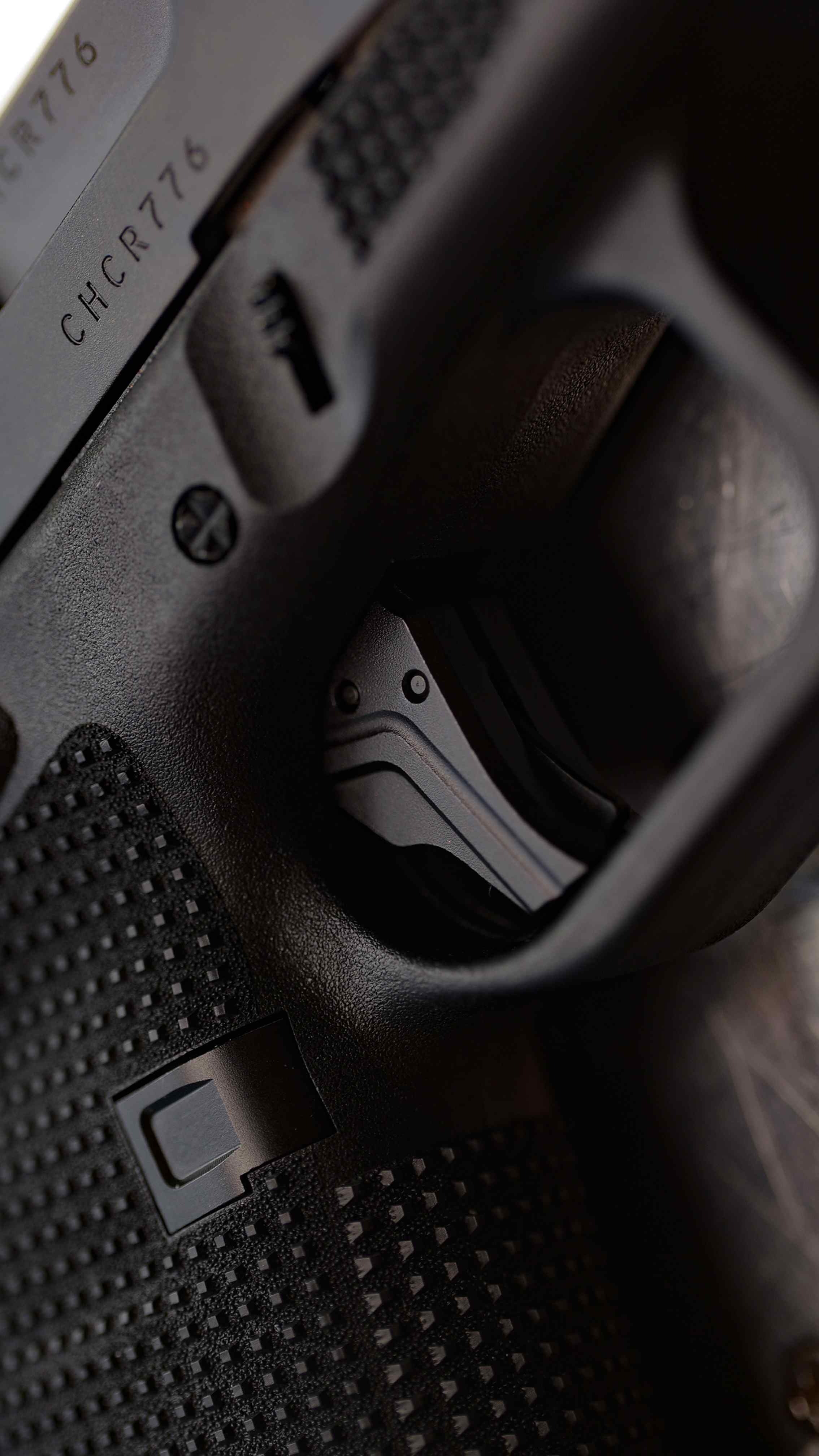
Many Gen 5 aftermarket triggers can physically install into Gen 6 pistols, but the updated internal geometry affects feel and consistency. Some users report changes in break quality and reset characteristics when mixing generations. :contentReference[oaicite:2]{index=2}
Small Internal Components
Certain springs, pins, and internal slide components may appear interchangeable, but small dimensional differences can create inconsistent performance or reliability concerns.
Slide Internals
Some Gen 5 slide internals overlap with Gen 6, but extractor and recoil-related changes mean compatibility is not guaranteed across all models. :contentReference[oaicite:3]{index=3}
Aftermarket Parts That Do Not Cross Over Reliably
Several core components were redesigned enough that Gen 5 aftermarket parts should not be reused in Gen 6 builds.
Barrels
Gen 6 uses revised barrel geometry and lockup dimensions, making Gen 5 aftermarket barrels incompatible in most cases. Builders should treat Gen 6 barrels as generation-specific components. :contentReference[oaicite:4]{index=4}
Recoil Spring Assemblies
One of the largest changes is the recoil system. Gen 6 moved back to a single-stage recoil setup, which changes compatibility with Gen 5 aftermarket guide rods and spring assemblies. :contentReference[oaicite:5]{index=5}
Complete Slide Assemblies
Because of internal geometry changes, Gen 5 aftermarket slides may not function correctly on Gen 6 frames without additional modifications or generation-specific components.
How to Avoid Compatibility Problems
The safest approach is to separate upgrades into two categories: external and internal.
External Upgrades
Controls, magazines, sights, and most grip-related accessories are generally safe to transfer between generations.
Internal Upgrades
Triggers, barrels, recoil systems, and slide internals should always be verified specifically for Gen 6 before installation.
Treating Gen 6 like a slightly updated Gen 5 works for external accessories, but not for the core operating system of the pistol.
Did You Know?
Did you know? Glock has historically maintained magazine compatibility across generations even while redesigning internal systems and lockup geometry. :contentReference[oaicite:6]{index=6}
Conclusion: Focus on External Compatibility First
Glock Gen 6 preserves enough of the Gen 5 platform to keep many external aftermarket upgrades relevant, but internal compatibility is far more limited than many shooters expect. Magazine extensions, sights, holsters, and controls remain largely transferable, while barrels, recoil systems, and slide internals require Gen 6-specific solutions. For upgrades designed around modern Glock geometry and consistent fitment, explore Glock upgrade parts built for dependable performance.
FAQs
Are Gen 5 magazines compatible with Gen 6?
Yes, Gen 5 magazines continue to function normally in Gen 6 pistols.
Do Gen 5 holsters fit Gen 6?
Most do, although some tight Kydex holsters may need slight adjustment.
Can I use a Gen 5 aftermarket barrel in Gen 6?
No, Gen 6 barrel geometry is different and requires generation-specific barrels.
Are aftermarket Gen 5 triggers compatible with Gen 6?
Some physically fit, but performance and reliability can vary due to geometry changes.
What aftermarket parts transfer most reliably?
External accessories like sights, controls, magazines, and rail-mounted accessories are the safest cross-compatible upgrades.