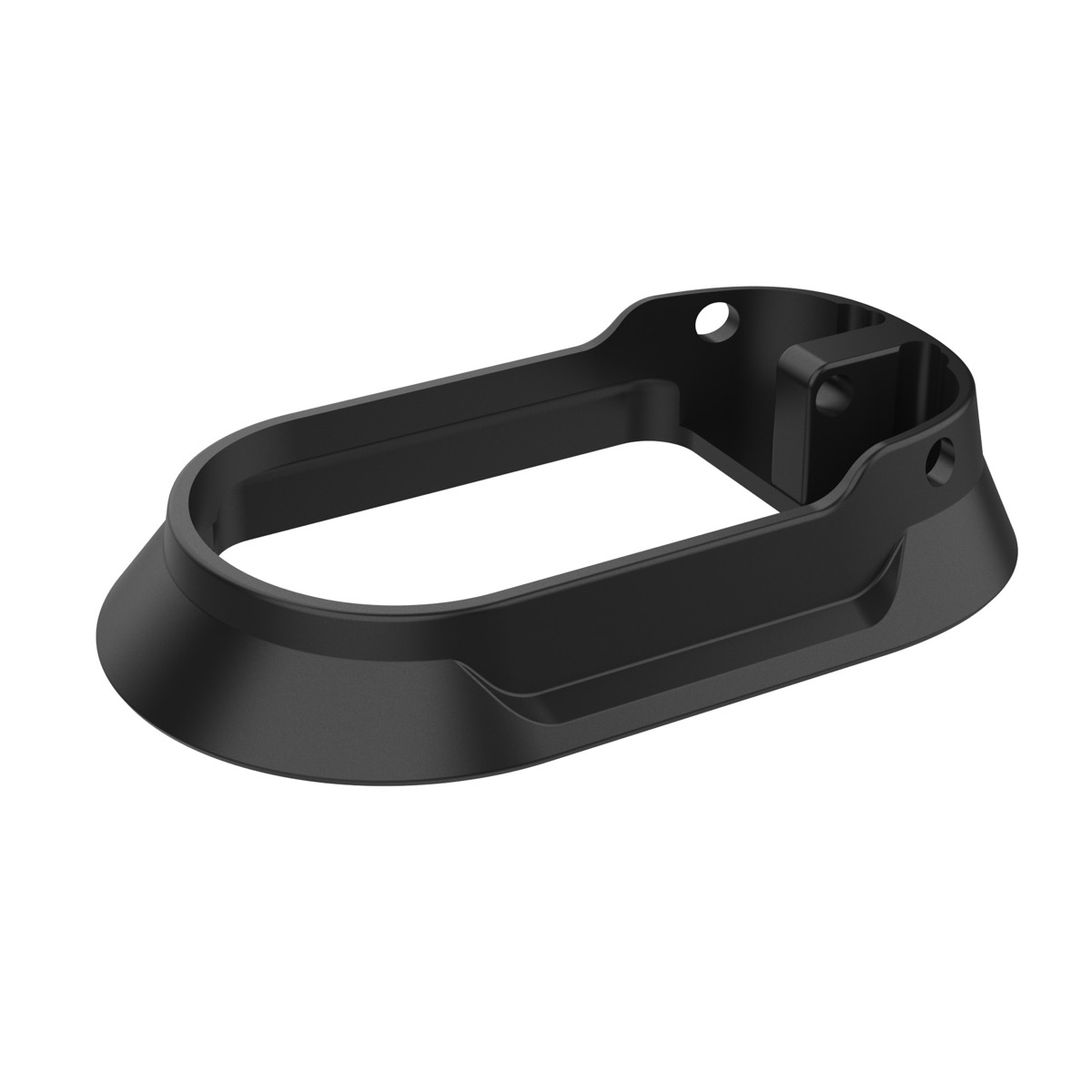
The HK VP9 and VP40 are already solid performers out of the box, but adding a magwell changes how the gun behaves in your hands and how it lives on your belt. The same funnel that makes match reloads effortless can also add bulk, change the way your cover garment drapes, or alter how the gun prints in everyday carry. This guide breaks down the real, felt differences between EDC-focused and match-focused magwells for VP9/VP40 so you can choose the profile that fits your role - not just what looks cool on the bench.
What a Magwell Really Does on a VP9/VP40
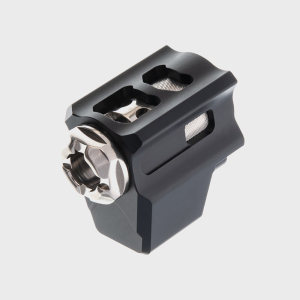
On the VP9/VP40, a magwell isn’t just a styling piece - it’s a functional geometry change at the bottom of the grip.
A well-designed funnel will:
-
Catch slightly off-angle magazines and correct them into alignment
-
Give your support hand a more defined ledge or reference point
-
Reduce fumbling during stress reloads or low-light work
But it also:
-
Adds material at the bottom of the grip
-
Changes how the gun interfaces with holsters and belts
-
Can shift how the pistol prints under clothing
Whether that’s a positive or negative depends on how you carry and shoot.
EDC-Oriented VP9/VP40 Magwells: Subtle, Forgiving, Low-Profile
EDC magwells focus on staying out of your way - until you miss a reload under stress. The goal is to gently assist, not turn your VP into a competition race gun.
Key characteristics of an EDC-focused funnel
-
Shallow flare angle: Enough to catch the magazine, not enough to create harsh corners under a shirt.
-
Minimal added depth: A few millimeters of extension, just enough to clean up the opening.
-
Rounded edges and softened corners: Less likely to print, poke, or snag during everyday movement.
-
Neutral grip length: Designed to maintain your preferred concealment footprint, especially in appendix or strong-side IWB.
In practice, a good carry magwell on a VP9/VP40 makes your reloads feel more “guided” but doesn’t scream for attention every time you stand up, sit down, or lean forward.
Match-Focused VP9/VP40 Magwells: Speed, Stability, and Big Funnels
Competition-style magwells are unapologetically performance-driven. They’re built for split times, not subtlety.
What you gain in a match setup
-
Large, aggressive funnel: More room for error on angle, especially during fast, eyes-up reloads.
-
Extra control surface: The extended heel acts like a mini ledge for the support hand, enhancing recoil control and consistency.
-
Better indexing with gloves: Bigger geometry is easier to “find” under timers, especially in cold conditions or with duty-style gloves.
What you feel in day-to-day carry
-
More printing: The extra heel and flare can catch light and fabric, especially with thin shirts.
-
Holster sensitivity: Some holsters won’t clear the added material, or they’ll dig more into body or belt.
-
Different draw feel: The gun may ride slightly differently on the belt because the bottom of the grip is now the dominant contact point.
For a pure match gun or range build, the trade is worth it. For a true do-everything EDC, it can be a step too far.
Reload Speed vs. Concealment: Tradeoffs You’ll Notice Immediately
The question isn’t “magwell or no magwell,” it’s how much magwell for your use case.
Where you’ll feel the difference
-
Reload forgiveness:
Match funnels forgive sloppy technique. EDC funnels demand slightly cleaner mechanics but still bail you out on near-misses.
-
Grip acquisition from the holster:
Larger magwells can subtly change how your hand lands high on the backstrap. Low-profile funnels tend to disappear under the hand and feel more like a factory extension.
-
Comfort while seated:
Bigger funnels press into car seats, office chairs, or armrests more noticeably. EDC-focused designs usually stay under the radar unless you’re very lean or carrying very deep.
If your reloads are already clean and consistent, a low-profile magwell may be all you need. If you’re pushing match-level tempos, the big funnel will feel like a cheat code.
Reliability, Mag Compatibility, and Maintenance
A magwell only helps if magazines seat cleanly every time.
What to watch with VP9/VP40 mags
-
Basepad height: Too short and you can’t drive the mag home; too tall and it smashes into the funnel.
-
Seating under stress: Test full mags on closed slides with firm, realistic reloads.
-
Lockback consistency: After installing a magwell, confirm that empty mags still lock the slide back on every string.
Maintenance habits that actually matter
-
Periodically check mounting screws for torque and threadlocker.
-
Inspect the inner funnel edges for burrs, dings, or deformation from hard reloads.
-
Look for repeated scrape marks on basepads - these tell you where geometry is tight and where to tune.
Did you know?
Even a small, low-profile magwell can reduce reload fumbles by a measurable margin - often cutting missed insertions by more than half in timed drills - without adding more than a few millimeters of grip length when it’s designed specifically around the VP9/VP40 frame geometry.
Dialing In the Right VP9/VP40 Magwell for Your Carry and Range Setup

For most VP9/VP40 owners who actually carry the gun, the sweet spot is a compact, rounded magwell that cleans up reloads without turning the pistol into a full race build. It should preserve your concealment footprint, work with your existing holster or a minimal adjustment, and still give you a more forgiving funnel when the adrenaline hits.
If your VP is a dedicated competition or training gun, a larger, match-style funnel starts to make sense - accepting more print and bulk in exchange for pure speed and control. Either way, treat the magwell, basepads, and magazines as one system and validate your setup on the timer, not just at the bench.
For HK-focused upgrades that balance design and performance, explore our selection of parts designed specifically for VP9/VP40 and other HK platforms at HK-compatible handgun components.
FAQs
1. Is a magwell worth it on a VP9/VP40 that I carry every day?
For many shooters, yes - if you choose a low-profile, EDC-oriented design. It can make reloads smoother and more consistent without adding a noticeable amount of bulk when properly paired with your holster and cover garments.
2. Will a match-style magwell always print more under clothing?
Almost always. Larger funnels add material at the bottom of the grip, which is already the most difficult part of the gun to conceal. If deep concealment is a priority, a match funnel is usually better reserved for a dedicated range or competition pistol.
3. Do I need different basepads when I add a magwell to my VP9/VP40?
Often yes. Many magwells are designed around slightly extended basepads so you can fully seat a magazine on a closed slide. Always confirm that your current pads provide enough length and leverage for positive seating.
4. Will a magwell change how my VP9/VP40 fits my current holster?
It can. Some holsters will still fit perfectly, while others may need a slight relief cut near the muzzle end or around the grip heel. Always test fit, draw, and reholster carefully after installing a magwell.
5. How should I test a new magwell setup before trusting it for carry?
Run several hundred rounds with realistic reloads from concealment, including strong- and support-hand work. Confirm magazines seat reliably under pressure, the gun locks back on empty, and your holster interaction remains safe and consistent during daily movement.