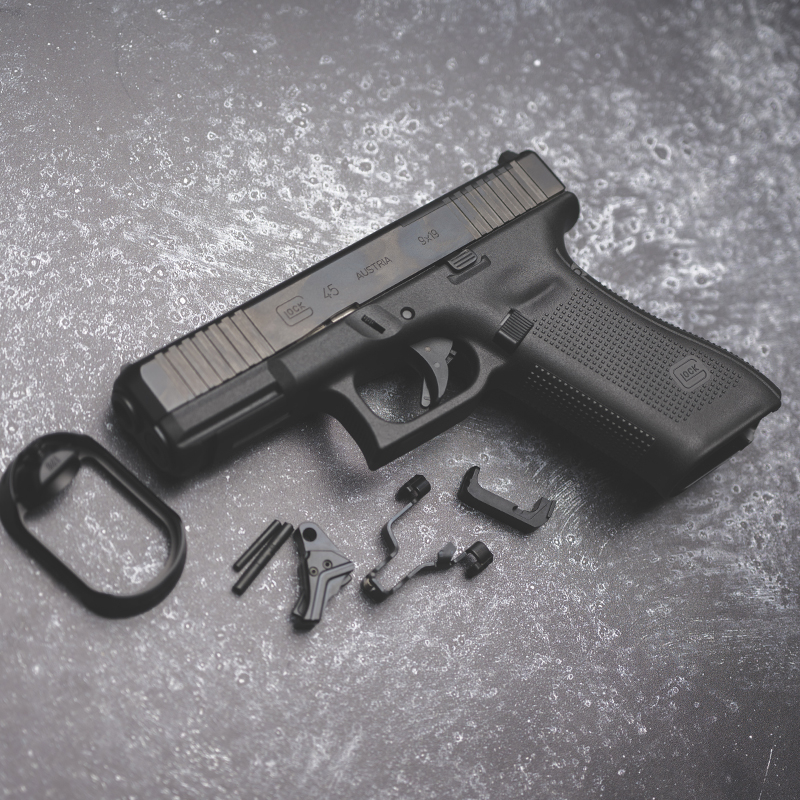
When it comes to building precision firearms, one of the most crucial aspects is the tolerance of parts. CNC-machined components play a significant role in achieving the exact fit needed for smooth operation, especially for parts like the magazine catch and slide stop. In this guide, we’ll break down how CNC tolerances impact the functionality and feel of these critical components, and why small changes in fit can have a big effect on performance.
Understanding CNC Tolerances: What Are They and Why Do They Matter?
Tolerances in manufacturing refer to the permissible limits of variation in the size and geometry of a part. CNC (Computer Numerical Control) machining allows for ultra-precise cuts and shapes that are critical for proper firearm operation. When tolerances are too tight or too loose, the firearm may experience issues such as misfeeds, failure to lock back, or rough handling.
The Importance of Tolerances for Mag Catch and Slide Stop Components
-
Mag Catch: The mag catch needs to be precisely aligned with the magazine release to ensure smooth insertion and retention. Even a small variation can cause magazines to misalign or fail to lock in securely.
-
Slide Stop: The slide stop interacts with the slide and magazine. A loose or tight fit here can result in premature slide lock, failure to lock back on an empty mag, or uneven operation during rapid-fire.
How Tight or Loose Tolerances Affect Functionality
1. Tight Tolerances: Smooth, Reliable Operation, But At a Cost
Tight tolerances ensure that parts fit together precisely, which is great for minimizing play and improving reliability. When applied to the mag catch or slide stop, it results in a consistent, solid feel when inserting magazines or operating the slide. However, there are downsides:
-
Increased friction can lead to more wear over time.
-
Parts may become more difficult to disassemble or reassemble without proper lubrication.
-
Excessive tightness can cause components to seize or bind under stress, especially during temperature changes.
2. Loose Tolerances: Easier Assembly, But Less Precision
While slightly looser tolerances can make parts easier to assemble and disassemble, they can negatively affect performance. In the case of the mag catch and slide stop, a loose fit can lead to:
-
Play in the mag catch, causing magazines to rattle or fail to stay securely in place.
-
Unreliable slide stop operation, with the slide potentially not locking back properly or even prematurely locking back.
-
Overall decreased accuracy and consistency of firearm operation.
Why CNC Precision Is the Sweet Spot for Performance
CNC machining offers the perfect balance between precision and reliability. With proper programming and quality control, CNC can maintain tight tolerances while allowing for enough play to ensure smooth operation. This results in:
-
Perfect fit: Components are snug without excessive friction or looseness.
-
Long-lasting performance: Properly machined components can last longer without experiencing excessive wear, even under heavy use.
-
Consistent feel: Whether inserting a magazine or engaging the slide stop, the fitment is solid and predictable.
Did you know?
Even a 0.001-inch difference in CNC tolerance can affect the smoothness and reliability of a firearm’s operation. For critical parts like the mag catch and slide stop, precision machining ensures reliability and ease of use over the long term.
Conclusion: How CNC Tolerances Improve Mag Catch and Slide Stop Performance
By choosing CNC-machined components, you're ensuring that every part of your firearm fits together seamlessly, especially the mag catch and slide stop. With tight tolerances, your pistol will offer smoother, more reliable operation - reducing the chance of malfunctions and improving the overall user experience. If you're looking to enhance your firearm’s precision, consider upgrading to high-quality CNC components.
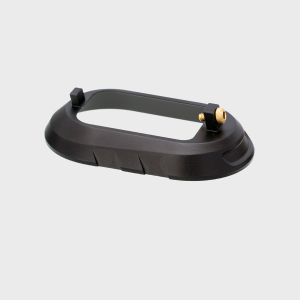
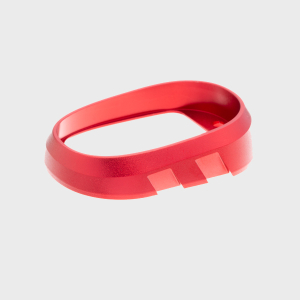
For precision CNC components that provide tight tolerances and enhanced performance, check out our selection of magwell upgrades.
FAQs
1. How can I tell if my mag catch or slide stop is too tight or too loose?
Perform a function test: Insert a fully loaded magazine and try to remove it while operating the slide stop. If you feel resistance, it may be too tight; if the magazine moves too freely, it may be too loose.
2. Can tight tolerances make a gun harder to clean?
Yes, tighter tolerances can make disassembly slightly more difficult. Regular cleaning and lubrication help ensure smooth operation even with tight fits.
3. Does CNC machining always result in a better fit than hand fitting?
CNC machining is more consistent and precise than hand fitting, which can introduce variations. CNC ensures the best fit for each part without human error.
4. Can loose tolerances cause a mag to fail to lock into place?
Yes, loose tolerances can result in insufficient retention from the mag catch, causing the magazine to fail to lock or rattle during shooting.
5. Should I upgrade my mag catch and slide stop to CNC-machined parts?
If you're looking for consistent performance, especially under high-use conditions, upgrading to CNC-machined components ensures better fit, smoother operation, and longer-lasting durability.