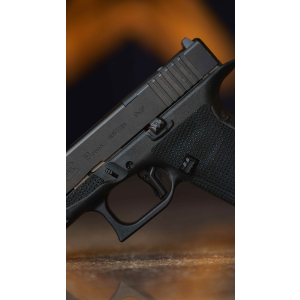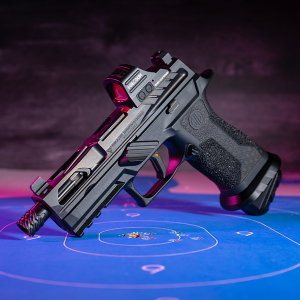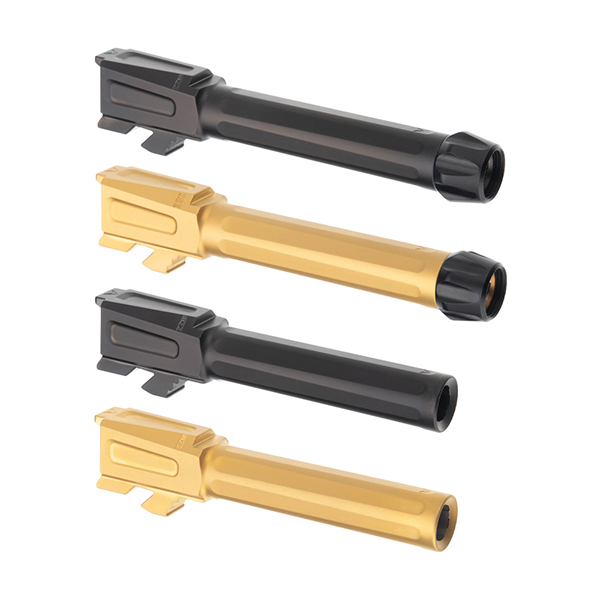
Pistols typically don’t come with threaded barrels. That’s typically because pistols historically didn’t have any muzzle devices designed for them at the time. As competition shooting started to take off in popularity, things like pistol compensators made way for more pistols to take advantage of threaded barrels with very affordable and effective pistol compensators, or suppressors. Even most carry guns now come with the option to have either a threaded or nonthreaded barrel ship with the firearm and today we’ll discuss which option might be the best for you.
Threaded Barrel Pros
Threaded barrels give you the ability to mount and use all sorts of muzzle devices. The most popular and common type of muzzle device is probably the pistol compensator - these are typically used to aid in recoil management and are most often popular with competition shooters. However, in recent times, pistol compensators have been making their way onto micro-compact carry guns, and there is currently a pretty hot debate as to whether or not these types of devices are strictly necessary.

Suppressors are a less common occurrence on pistols and that’s mostly because there is almost zero practical use for a suppressed pistol outside of hunting and shooting at the range for fun. Suppressors are extremely large and impossible to properly conceal and holster so they’re probably best left for range trips when you’re looking for a quieter experience and have the time to mount and shoot your suppressed pistol with the proper ammo.
Non-Threaded Barrel Pros
There is, of course, the vanilla option. This is how firearms have always been carried and there are a lot of good reasons to stick with a non-threaded barrel. The chief reason to stick to a non-threaded barrel would be if your goal is to minimize the footprint of your firearm. Even when a muzzle device isn’t attached, threaded barrels extend the length of your pistol and many commonly available holsters can’t accommodate a threaded barrel.
Non-threaded barrels also require less maintenance than a threaded barrel pistol does. Threads introduce a bunch of extra surface areas that must be protected by a thread protector or muzzle device. Threaded barrels often necessitate the use of o-rings or shims for proper timing making properly disassembling your pistol more of a chore.
Which One You Should Choose
There are a couple of different ways you can make this decision. If you already have a pistol with a non-threaded barrel, you can simply just purchase an aftermarket threaded barrel. Smith & Wesson, SIG Sauer, Glock, and Springfield all have a ton of aftermarket support in this particular department and this usually comes with a laundry list of accessories to choose from.
If you have the option and can afford it, I would strongly suggest purchasing a pistol with a threaded barrel for the added level of flexibility that it offers you in terms of accessories you can mount to it. Although it does add a tiny bit of overall length to your firearm, it’s in the axis that is easiest to conceal and thus it turns out to not be a problem in most casts. Most of the micro-compact 9mm pistols these days already come with 1/2x28 threaded barrels and will accept virtually any muzzle device out there.
However, if deep concealment, minimal maintenance, and reliability are more to your taste, there is absolutely nothing wrong with selecting a quality non-threaded barrel option. Not all barrels are created equally and one primary reason people often throw out OEM barrels in favor of aftermarket barrels is for their premium features like highly corrosive-resistant coatings or target crowns.