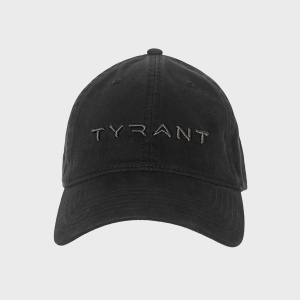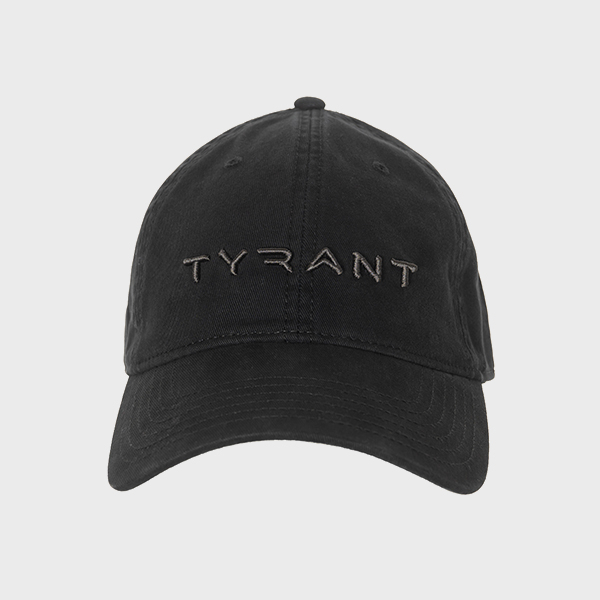
During long training sessions, comfort matters just as much as performance. A poorly fitting hat or one that traps sweat can quickly become a distraction. Sweat buildup affects visibility, grip, and overall focus, especially in high-temperature environments or extended range days.
The right hat setup keeps sweat controlled, maintains airflow, and stays secure without creating pressure points. Understanding fit, material, and moisture management makes a noticeable difference in how you perform.
Why Fit Matters More Than You Think
A hat that fits correctly should feel secure without being tight. If it shifts during movement or creates pressure on the forehead, it will become uncomfortable over time.
A proper fit keeps the hat stable while allowing natural airflow. This balance prevents sweat from pooling and reduces the need for constant adjustment during training.
Signs of Poor Fit
Common issues include pressure marks, slipping during movement, or uneven contact around the head. These problems usually lead to distraction and reduced focus.
Managing Sweat During Training
Sweat management is critical for maintaining comfort and visibility. Once sweat starts dripping, it affects both concentration and control.
Moisture-Wicking Materials
Performance fabrics pull moisture away from the skin and allow it to evaporate faster. This keeps the head cooler and prevents saturation.
Sweatband Design
An effective sweatband absorbs moisture while preventing it from running into the eyes. A well-designed band spreads moisture across a wider area for faster drying.
Ventilation
Breathable panels or perforations improve airflow. Better ventilation reduces heat buildup and helps maintain a consistent internal temperature.
Material Choice and Performance
The material of the hat directly affects how it handles heat and moisture.
Lightweight Synthetics
These materials are ideal for training environments because they dry quickly and maintain shape even when wet.
Structured vs Unstructured Designs
Structured hats hold their shape better, while unstructured designs offer more flexibility and comfort. The choice depends on personal preference and training intensity.
Fit Adjustment and Stability
A good hat should stay in place without constant readjustment.
Adjustable Closures
Snapback, strap, or fitted options allow you to fine-tune the fit. The goal is to secure the hat without restricting circulation.
Low vs Mid Crown Fit
Different crown heights change how the hat sits on your head. Choosing the right profile improves both comfort and stability during movement.
Common Mistakes to Avoid
Many comfort issues come from simple oversights rather than the hat itself.
Wearing a hat that is too tight increases heat and pressure buildup. Ignoring material choice leads to excessive moisture retention. Using non-breathable designs in hot environments creates unnecessary discomfort.
Fixing these issues improves both comfort and focus during training sessions.
Did You Know?
Hats that trap heat can increase fatigue over time, even if they feel comfortable at the start of a session.
Conclusion: Comfort Drives Performance
Hat fit and sweat management play a direct role in training comfort and consistency. A properly fitted hat with moisture-wicking materials and effective ventilation keeps distractions to a minimum and allows you to stay focused. For gear designed to handle real training conditions, explore performance apparel built for durability and comfort.
FAQs
How tight should a training hat be?
A hat should feel secure without creating pressure or discomfort over time.
What material is best for sweat management?
Lightweight synthetic fabrics with moisture-wicking properties perform best.
Why does my hat become uncomfortable during training?
Heat buildup, poor ventilation, or improper fit are the most common causes.
Do breathable hats make a difference?
Yes, improved airflow helps regulate temperature and reduce sweat buildup.
Should I use different hats for training and casual wear?
Yes, training hats are designed for performance, while casual hats focus more on style.