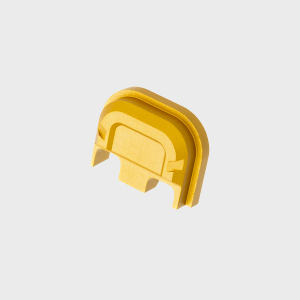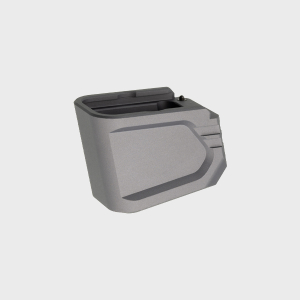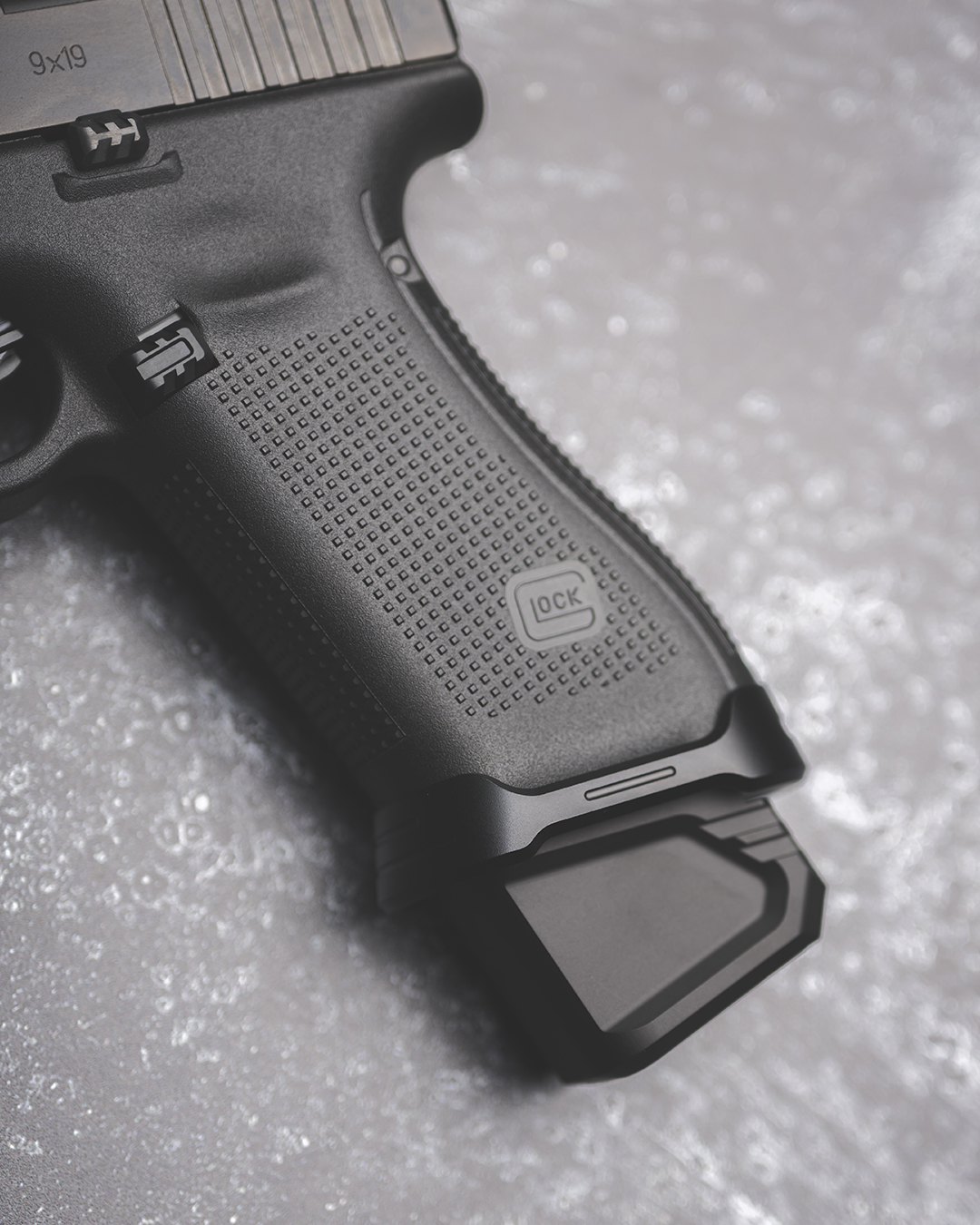
Installing a +2 or +3 basepad is a common, low-friction way to gain capacity and grip length - but it changes the magazine/handgun interface and can introduce new feeding or extraction issues. This guide gives a structured, repeatable troubleshooting flow to identify the real cause of Failure-to-Feed (FTF) and Failure-to-Extract/Eject (FTE) problems and resolve them with minimal guesswork.
Why a basepad can introduce problems
A basepad changes three system variables simultaneously: mag length/geometry, floorplate retention method, and how the magazine contacts the magwell/holster/hand. Those changes can alter follower alignment, spring dynamics, mag catch engagement, and how the magazine presents the top round. Treat the basepad as a system change and diagnose methodically.
Quick-reference diagnostic flow (high level)
-
Isolate - single-variable testing (magazine vs pistol)
-
Inspect - floorplate, retention, and mag body for defects
-
Measure - follower travel, spring tension, and mag catch engagement
-
Validate - dry-cycle, live single-round, then full-string testing
-
Remediate - targeted fixes (retention, spring, geometry) and re-test
Step-by-step flow with checks and actions
1) Immediate isolation (do this first)
-
Remove the basepad and test the SAME magazine in the pistol (stock floorplate). If FTF/FTE disappears, the basepad or its installation is the likely cause.
-
Test a known-good magazine (no basepad) in the same pistol. If the known-good mag runs fine while the extended mag fails, the issue is magazine-related rather than pistol-related.
2) Visual & mechanical inspection
-
Floorplate & retention: confirm the basepad is seated and any set screws or pins are tight. Loose floorplates can shift under recoil, altering follower travel.
-
Magazine body: check for cracks, burrs, or deformation where the pad mates with the body - heat or impact damage can alter internal clearances.
-
Feed lips & top round presentation: with the slide locked back, look at how the top round sits relative to the feed ramp. Any skewing, nose-down, or uneven presentation is a red flag.
3) Follower travel & spring check
-
Remove floorplate/basepad and manually cycle the follower. It should move smoothly to the top and bottom without hangups.
-
Compare upward pressure across magazines (push the follower against a scale or compare spring feel). Replace flattened springs - weak springs are a top cause of FTFs after adding weight or length.
-
Check for follower tilt when under load - a tilting follower often means internal deformation or debris trapped in the body.
4) Mag catch engagement & wobble measurement
-
Insert the loaded magazine and check audible lockup. Under light lateral thumb pressure, the mag should not rock significantly. Excessive side-to-side play can change feed geometry under recoil.
-
If wobble exists, try a different mag catch or vendor-recommended shim before assuming the basepad is the only fault.
5) Dry-fire & single-round live verification
-
With the firearm clear, use an inert or snap-cap top round and cycle the slide slowly to observe nose presentation and ramp contact.
-
Range test a single-round load (single-round in the magazine, rest empty). Fire single rounds slowly and inspect ejection and extraction behavior before escalating to strings.
6) Full live-fire diagnostic sequence
-
50-round baseline with a known-good magazine and stock floorplate (if possible) to confirm pistol health.
-
Install the extended mags and run 5 × 5-round strings, repeating with each magazine. Log failures with: magazine ID, round count, and failure type (FTF, FTE, stovepipe, light strike).
-
If failures repeat on 1-2 specific magazines, quarantine and inspect those mags closely (springs, followers, feed lips).
7) Targeted remediation - what to try, in order
-
Tighten/secure floorplate: If pad uses set screws, torque per vendor spec. Replace loose hardware and retest.
-
Replace magazine spring: New springs restore upward pressure and are inexpensive. Test before changing anything else.
-
Swap followers: Use a proven follower (polymer or anti-tilt) to eliminate follower tilt issues.
-
Check / replace mag catch: A worn mag catch or weak catch spring can let the mag shift under recoil.
-
Lighten insertion force: If the basepad geometry causes a slight nose-down presentation during hard inserts, use a thin spacer or bevel the pad edge (vendor guidance recommended).
-
Floorplate profile change: Try a low-profile basepad or a version with different retention method if the extension changes how the mag seats inside the magwell.
8) When to consider the pistol (not the mag)
If multiple proven magazines fail across multiple pistol samples, shift focus to the pistol: inspect feed ramp angles, extractor condition, striker/hammer energy, and recoil spring condition. But only get here after isolating magazine variables first - in practice, magazine issues are more common after basepad installs.
Decision tree summary (compact)
-
Remove basepad → problem resolved? → Yes = basepad/installation fix needed.
-
Known-good mag runs fine in pistol → suspect extended mag(s) (springs, follower, floorplate).
-
Multiple mags fail in multiple pistols → pistols (ramp, extractor, striker) need inspection.
Practical prevention & best practices
-
Buy basepads from reputable vendors that specify retention method and installation torque.
-
Always run a new magazine (or modified magazine) through a 200-300 round break-in test before trusting it in a carry role.
-
Rotate mags and replace springs on schedule (quality springs: 3k-5k rounds; economy springs earlier).
-
Document serial-tested magazines (mag ID, spring age, issues logged) so you can trace failures faster in the future.
Did you know?
Many FTF complaints after basepad installs are resolved by replacing the magazine spring or swapping the follower - both inexpensive fixes. In roughly 70% of field cases, the basepad merely exposed a marginal spring or tilted follower rather than being the root cause itself.
Conclusion - follow the flow, change one variable at a time
Troubleshooting FTF/FTE after adding a +2/+3 basepad is a process of elimination: isolate the magazine from the pistol, inspect and measure follower travel and spring tension, verify mag catch engagement, then run stepwise live-fire tests. Fixes are usually targeted (spring, follower, floorplate retention) and inexpensive - but only if you follow a structured diagnostic flow and change one variable at a time. Treat extended basepads as a system change and validate every magazine thoroughly before relying on it for carry.
For low-profile +2/+3 basepad options and tested magazine extensions, see our magazine extensions collection: magazine extensions.
FAQs
1. My mag ran fine before the basepad - should I remove the pad immediately?
Remove the pad to isolate the issue. If the problem stops, secure or replace the pad and re-test. Don’t assume the pad is defective - it often exposes a weak spring or marginal follower.
2. How many rounds should I run to validate a modified magazine?
A practical validation is 200-300 rounds across varied reload scenarios (tactical reloads, emergency reloads, indexed pouch swaps). Track failures by magazine and round count.
3. Can a set screw on a basepad cause FTE?
Yes - a loose or over-tightened set screw can allow floorplate migration or deform the magazine body, leading to feed alignment or follower travel issues. Torque to vendor specs and check periodically.
4. Will switching to an anti-tilt follower help?
Often. Anti-tilt followers restore consistent nose presentation and reduce feed hangups caused by follower tilt, especially in extended magazines where internal tolerances matter more.
5. If new springs and followers don’t fix it, what next?
Re-test the magazines in a known-good pistol. If they still fail, inspect extractor, feed ramp, and striker/hammer energy on the pistol. If multiple pistols show similar failures, consult a qualified armorer for a pistol-level diagnosis.