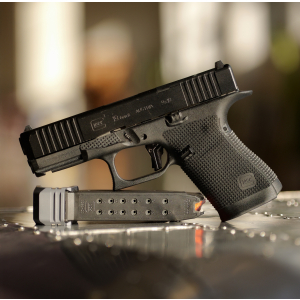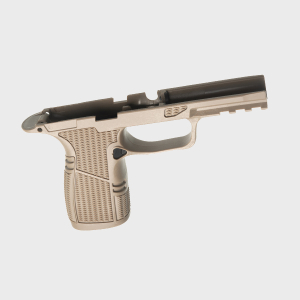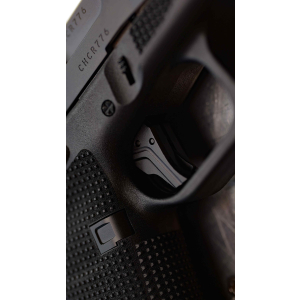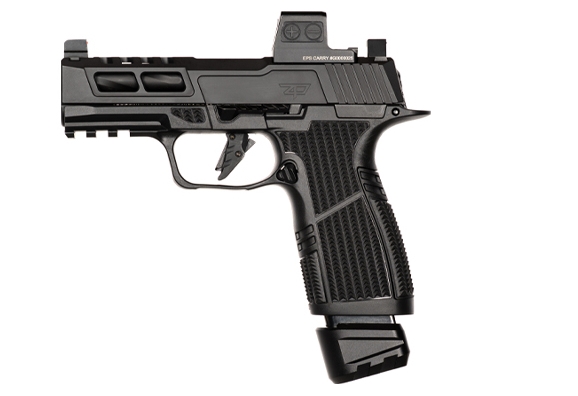
The grip module is the part of your handgun that connects you directly to the firearm. Over time, shooters often find that the factory texture either wears smooth or doesn’t provide the traction needed for different conditions. Re-profiling or adjusting grip texture can make your gun feel more secure, improve recoil management, and reduce hand fatigue. But before you modify, it’s essential to understand when it’s necessary - and how to do it safely.
Recognizing When It’s Time to Re-profile
Grip texture isn’t a one-size-fits-all feature. The right time to adjust depends on how your firearm performs in real conditions:
-
Loss of grip under stress: If the gun feels slippery with sweat, rain, or gloves, your surface texture may need enhancement.
-
Excessive abrasion: Overly aggressive textures that cause discomfort or hotspots during long sessions may benefit from smoothing or re-profiling.
-
Ergonomic mismatch: If your fingers don’t seat comfortably or your grip feels inconsistent shot to shot, contour adjustments may help.
Material Considerations Before You Begin
The way you approach grip modification depends heavily on the material. Polymer grip modules (common in modern handguns) are more forgiving, while aluminum or composite frames require greater precision and tools designed for hard surfaces.
-
Polymer: Can be stippled, sanded, or laser-textured for custom feel and look.
-
Aluminum: Usually re-profiled through machining or light bead blasting - avoid deep cuts that compromise structure.
-
Composite or hybrid frames: Often coated; modifications should avoid penetrating coatings that protect the substrate.
Techniques for Adjusting Texture
Each texture method has tradeoffs. The goal is to increase surface friction while maintaining comfort and consistency in your grip.
-
Stippling: A common DIY method using heat or precision tools to create micro-patterns for traction. Ideal for polymer modules.
-
Machining / CNC re-profiling: Provides the most precise and uniform results for metal or rigid frames.
-
Adhesive grip overlays: Offer temporary grip enhancement without permanent alteration - good for testing preferred patterns.
-
Sandblasting or bead blasting: Effective for light texture correction and matte finishes, typically used on aluminum frames.
Maintaining Comfort and Control
Re-profiling should never sacrifice ergonomics. When modifying, test grip placement under both wet and dry conditions. Avoid overly aggressive surfaces that irritate your hand after extended firing. The goal is secure traction with balanced comfort.
Finishing and Sealing the Surface
After texturing, clean and seal the surface to prevent corrosion and wear. For polymer grips, fine-grit sanding followed by light polishing smooths rough peaks. For metal frames, use anti-corrosion coatings or sealants to preserve finish integrity.
Did you know?
Even a 0.5 mm change in surface depth can dramatically affect perceived traction and recoil control. That’s why precision-machined or laser-applied textures are preferred for competition and duty handguns where consistency matters most.
Conclusion: Fine-tuning your connection to the firearm
Re-profiling a grip isn’t just about looks - it’s about performance. Whether you’re chasing better control, improved comfort, or custom ergonomics, adjust grip texture with a clear purpose and respect for the material. When done right, it enhances your shooting experience and confidence across every scenario.
To explore high-quality grip modules and accessories designed for precise handling, visit our Grip Modules.
FAQs
1. Will re-texturing my grip void my firearm warranty?
It depends on the manufacturer. Many warranties exclude coverage for modified frames or grip modules, so always confirm before starting any permanent changes.
2. Can I re-profile metal frames at home?
It’s best left to professionals with proper tools. Home modifications can compromise the integrity or finish of aluminum and steel components.
3. How do I test new textures safely?
Start with temporary grip tape or adhesive overlays to experiment with texture placement and aggressiveness before committing to permanent re-profiling.
4. What’s the difference between stippling and laser texturing?
Stippling uses heat and pressure to form a pattern by hand, while laser texturing digitally engraves a consistent, precision pattern. The latter offers repeatable results and minimal material stress.
5. How can I maintain my grip texture after re-profiling?
Regular cleaning, avoiding harsh chemicals, and resealing when necessary will keep your texture sharp and your grip performing at its best.