Choosing the right muzzle device is one of the highest-leverage upgrades you can make to an AR-15. On paper a muzzle brake and a compensator both redirect gas, but they solve different problems and bring different tradeoffs - recoil impulse, muzzle rise, blast, flash, and even point-of-impact shifts. This guide strips away marketing noise and gives clear, engineering-first advice so you can pick the right device for your build and shooting style.
What these devices actually do
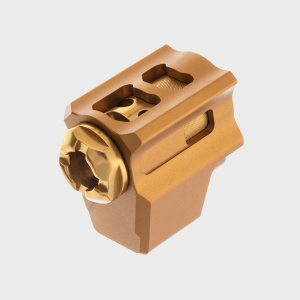
Muzzle Brake: Primarily reduces rearward recoil by venting gas laterally and rear-ward. It lowers felt recoil and can help the rifle return to the shooter faster on follow-up shots.

Compensator: Focuses on reducing muzzle rise - ports or baffles directed upward use gas to push the muzzle down during the high-pressure phase of the shot. This shortens sight-picture recovery time for faster, controlled follow-ups.

Performance tradeoffs: recoil, rise, and follow-up speed
-
Recoil reduction: Brakes reduce felt impulse more noticeably than compensators; expect a clearer reduction in rearward push, especially on heavier loads.
-
Muzzle rise control: Compensators win for minimizing vertical climb. If your priority is staying on target for rapid accurate strings, compensators are more effective.
-
Follow-up speed: Both improve follow-ups versus a plain muzzle, but the choice depends on whether you want less rearward movement (brake) or less vertical reset (comp).
Noise, concussive blast, and bystander impact
Both devices increase blast to the sides and rear compared with a plain crown. Practical effects:
-
Sound & concussion: Brakes typically produce more rearward and lateral concussion; they feel louder to the shooter and anyone nearby. Compensators can direct more gas upward, which reduces some rearward concussion but increases muzzle blast around the target plane.
-
Range etiquette: If you shoot in confined ranges or around people, consider blast and hearing protection. Suppressed + tuned comp setups reduce perceived blast but require proper timing and gas tuning.
Flash signature and low-light use
Porting changes flash behavior. Upward or rearward ports can increase visible signature in low light. If night shooting or low-light concealment matters, choose a device with flash-suppressing geometry or pair with a flash hider/combined device.
Mounting, thread patterns and alignment
Proper alignment matters - a misaligned device can cause baffle strikes and catastrophic failure. Use quality crush washers, shims, or timing washers and torque to spec. Consider quick-detach (QD) mounts if you plan to switch between suppressed and unsuppressed configurations, but verify QD alignment and service limits for your barrel.
Tuning the system: gas, buffer, and ammo considerations
Adding a brake or comp changes backpressure and gas dynamics. Practical steps:
-
After installation, test with your primary ammunition and watch ejection patterns and bolt lockup.
-
Expect to adjust buffer weight or gas setting (adjustable gas block) for suppressed use or hotter loads.
-
Document the combination (barrel length, device model, buffer weight, ammo) that runs reliably - small changes can have outsized effects.
Use-case guide: match device to mission
-
Precision / suppressed fire: Low-signature compensator or hybrid that balances rise control and flash suppression; often paired with adjustable gas and heavier buffers.
-
Competition / 3-Gun: Compensator for fast sight recovery; many competitors choose aggressive upward ports to hold the sight picture under rapid strings.
-
Duty / home defense: Consider a moderate device that balances recoil reduction and minimized side blast - flash and concussive effects matter indoors.
-
General range use: Muzzle brake if recoil mitigation (less fatigue, faster follow-ups) is primary and range rules permit; wear hearing protection and be mindful of bystanders.
Durability, materials and coatings
Choose devices made from proper alloys (4140, 4130, stainless variants) and quality heat-treating for longevity. Coatings like nitride or ceramic phosphate help corrosion resistance; ensure threads are in spec and that the device’s mass doesn’t overstress the barrel at the muzzle junction.
Did you know?
Small changes in port orientation (even a few degrees) can noticeably shift perceived muzzle rise or concussion for the shooter. That’s why many high-end devices offer timed mounting or multiple timing options to dial in the exact balance between recoil, rise, and blast for your posture and stance.
Conclusion: a pragmatic recommendation
There’s no one-size-fits-all answer. If your top priority is reducing rearward recoil and shooter fatigue, a properly-timed muzzle brake is the right tool. If you want the fastest repeatable sight picture for rapid, accurate follow-ups, choose a compensator tuned for vertical control. For many users the best compromise is a hybrid or modular device combined with an adjustable gas block and modest buffer tuning. Test configurations with the ammo and holster/position you actually use.
Explore matched muzzle devices and mounting options in our AR-15 muzzle brake & upgrades.
FAQs
1. Will a compensator reduce felt recoil?
Somewhat - compensators reduce muzzle rise which improves perceived recoil control, but they generally don’t reduce rearward impulse as much as a dedicated muzzle brake.
2. Can I use the same device suppressed and unsuppressed?
Some devices are rated for direct suppressed use and some are not. Using a device that changes backpressure will often require gas tuning and may increase wear - check the device and suppressor manufacturer guidance.
3. Which device is better for indoor range use?
Neither is ideal for confined indoor ranges due to concussion and side blast; if forced to choose, a low-blast, moderate compensator or hybrid device may be less punishing than an aggressive brake. Always follow range rules.
4. Do muzzle devices affect point of impact?
Yes - adding or changing a device can shift point of impact. Zero your rifle after installation and re-check with the ammunition you intend to use.
5. How should I time and torque a device?
Use the manufacturer’s torque specs and timing method (crush washer, shims, or timing washer). Proper timing ensures ports are oriented correctly and prevents baffle strikes - if unsure, have a qualified armorer verify installation.