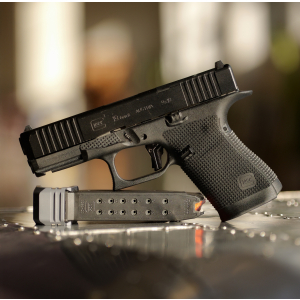
Barrel lockup is one of the most important mechanical relationships inside a Glock pistol. It directly affects accuracy, consistency, recoil behavior, and overall reliability. When lockup is stable and repeatable, the barrel returns to the same position after every cycle. When it isn’t, accuracy becomes inconsistent and the pistol can develop strange wear patterns or cycling issues.
Many shooters hear the term “tight lockup” and assume tighter always means better. In reality, consistency matters far more than excessive tightness. A reliable Glock lockup should feel repeatable, smooth, and stable without binding.
What Barrel Lockup Actually Means
Barrel lockup refers to how the barrel interfaces with the slide when the pistol is fully in battery. In a Glock design, the barrel hood locks into the ejection port area while the lower barrel lug interfaces with the locking block.
Every time the slide cycles, the barrel unlocks, moves downward slightly, then returns back into the same locked position. Consistency in this movement is what produces repeatable accuracy.
What Consistent Lockup Feels Like
A properly fitted Glock barrel should lock into battery smoothly with minimal unnecessary movement.
Stable Vertical Engagement
When the slide is fully forward, the barrel hood should sit consistently without excessive vertical play. Slight movement is normal, but the barrel should not feel loose or unstable.
Smooth Unlocking and Return
During manual cycling, the barrel should move smoothly without scraping, hesitation, or sticking.
Repeatable Battery Position
Each time the slide closes, the barrel should return to the same position consistently. This repeatability is what supports consistent shot placement.
Why Consistency Matters More Than Tightness
Many shooters incorrectly assume that an extremely tight barrel fit automatically improves performance.
Excessive tightness can actually create reliability issues, especially once carbon buildup, heat, or fouling enters the system. Glock pistols are designed around controlled tolerances that balance reliability with accuracy.
A slightly looser but repeatable lockup is usually better than an extremely tight fit that binds inconsistently.
How to Check Barrel Lockup
There are several simple ways to evaluate lockup consistency without specialized tools.
Press Check Test
With the pistol unloaded and in battery, gently press downward on the barrel hood through the ejection port. Small movement is normal, but excessive looseness may indicate poor fitment.
Battery Consistency Test
Cycle the slide repeatedly and observe whether the barrel consistently returns to the same seated position.
Slow Slide Cycling
Manually cycle the slide slowly while feeling for scraping, resistance, or inconsistent engagement.
Wear Pattern Inspection
Inspect contact surfaces on the barrel hood, locking surfaces, and slide interior. Even wear patterns usually indicate healthy lockup geometry.
Signs of Inconsistent Lockup
Lockup problems often appear gradually and become more noticeable over time.
Vertical Barrel Play
Excessive up-and-down movement at the barrel hood can reduce consistency.
Erratic Accuracy
If group sizes suddenly open up without obvious shooter error, inconsistent lockup may be contributing.
Uneven Wear
Asymmetrical wear on the barrel hood or locking surfaces can indicate improper engagement.
Failure to Return Fully to Battery
Improper fitment or excessive friction may prevent the slide from fully closing consistently.
How Aftermarket Parts Affect Lockup
Barrels, slides, recoil systems, and even tolerances between frame components can affect lockup behavior.
Aftermarket Barrels
Some match barrels use tighter tolerances to improve consistency, but poor fitting can create reliability problems if tolerances become excessive.
Slide Tolerances
Variations in slide dimensions affect how the barrel seats during lockup.
Recoil Spring Weight
An improperly balanced recoil spring can alter how aggressively the barrel returns into battery.
When Barrel Movement Is Normal
Some movement is completely normal in Glock pistols.
Glocks are duty-oriented firearms designed around reliability under dirt, heat, and fouling. Minor movement at the barrel hood does not automatically indicate a problem.
The focus should always be on repeatability and function rather than eliminating every trace of movement.
Did You Know?
Many factory Glock barrels intentionally allow slight movement in lockup to maintain reliability under harsh operating conditions.
Conclusion: Repeatability Is the Real Goal
Consistent barrel lockup is about repeatable positioning, smooth cycling, and balanced tolerances—not extreme tightness. A Glock that locks up consistently will shoot predictably, cycle reliably, and wear evenly over time. For barrels and performance components engineered around proper fitment and dependable cycling, explore Glock barrel upgrades built for reliable performance.
FAQs
Is some barrel movement normal in a Glock?
Yes, slight movement is completely normal and helps maintain reliability.
Does tighter lockup always improve accuracy?
No, consistency matters more than excessive tightness.
How do I check lockup consistency?
Use press checks, slow cycling, and wear pattern inspection to evaluate consistency.
Can aftermarket barrels affect reliability?
Yes, poorly fitted match barrels can create cycling or return-to-battery issues.
What causes inconsistent lockup?
Tolerance stacking, improper fitting, uneven wear, or recoil system imbalance can all contribute.