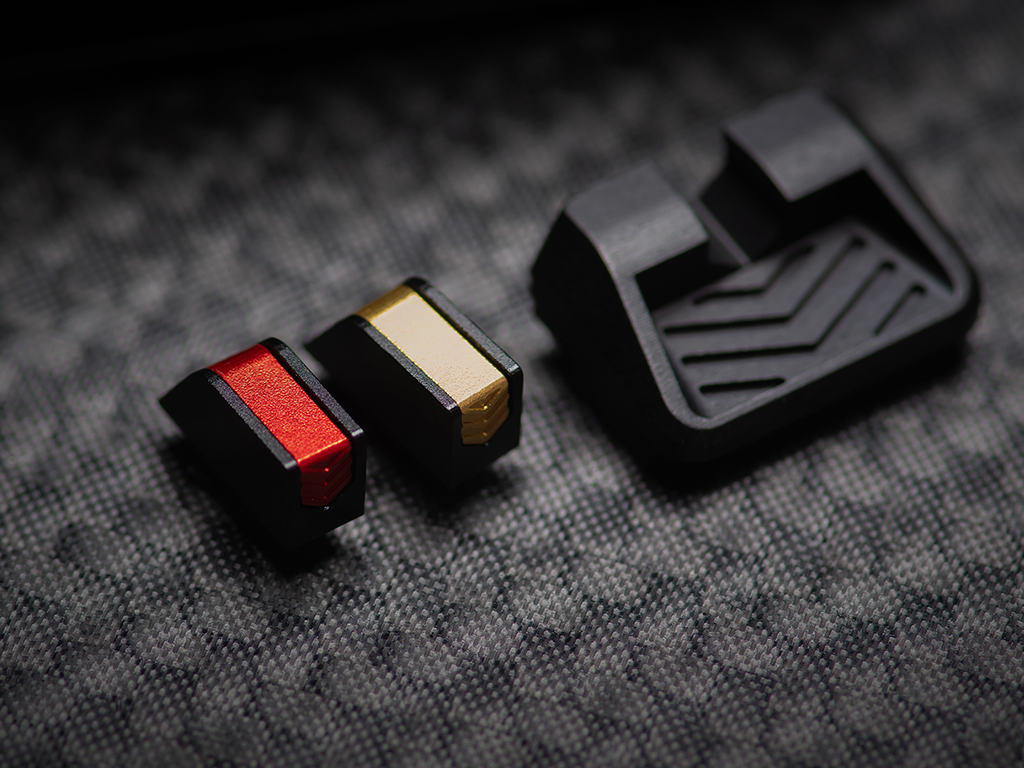
Among both new and old shooters, the discussion surrounding sights continues to rage on with no clear answers as to which is best among them. However, instead of there being one solid all-around choice, each type of weapon sight offers advantages but also compromises. Today we’ll talk a bit about the different types of pistol iron sights currently available on the market and what each of them is best suited for so that you can select the right type of sights for your handgun’s setup.
Iron Sight History
Iron sights or simple mechanical sights are nearly as old as the concept of the firearm itself, first appearing sometime during the 15th century AD. This first venture into a more accurate shooting solution was the first of its kind to incorporate a simple bead front sight with a notch rear sight, allowing for more accurate shot placement.
Today there are tons of other types of sights that not only adapt the idea of the simple rear notch and front post design, but also incorporate some pretty rare materials like tritium, fiber optic, and even photoluminescent coatings to enhance their use. Some sights feature mechanical adjustability while others are more or less fixed in place and only able to be adjusted using specific tools.
In stark contrast to typical rifle sights which often feature both easily adjustable rear and front sights (e.g. common AR-15 sights), Pistol or Handgun iron sights often only feature adjustable rear sights while the front sight post remains more or less fixed or is only drift adjustable which usually requires the use of a punch and gunsmithing hammer to adjust - or a specific tool like the XS Sights Inline Sight Pusher tool.
Standard Iron Sights
Standard iron sights are quite plain and are also probably the most affordable type of iron sight that you’ll find on handguns. More than likely, any new handgun you buy will have at a bare minimum these types of iron sights on it but it’s not uncommon these days to find handguns with three-dot iron sights which have seemed to supplant standard “blacked-out” iron sights in terms of popularity despite the increased cost of the former.
Standard Iron sights usually feature a drift adjustable only rear sight only and a fixed front sight. Using these sights is a simple matter of centering the front post with the rear notch both horizontally and vertically. An easier way to think of this is “equal height, equal light” meaning you’ll have the sights posts at the same height, and the same amount of light in between each sight of the front sight post and the rear sight notches inner edges. Sometimes standard iron sights can have dots or markings on them to help you pick up the sights better and these are most commonly referred to as “three-dot” sights but aside from unique paint markings for better visibility, they usually don’t offer any other features.
As stated earlier Standard Iron sights are the least expensive but the most featureless option on the market today and while I wouldn’t personally want to carry them on any self-defense firearm, they’re perfectly serviceable for guns you just bring to the range to shoot for fun, or for use as backup sights.
Click to Shop Tyrant Standard Glock Iron Sights
Click to Shop Tyrant Two Piece Glock Sights
Adjustable Sights
Adjustable sights, as their name implies, feature a mechanical means by which to adjust the windage and elevation of the point of impact for fired rounds. This type of sight is usually found on handguns intended for more precise shooting work such as double-action/single-action revolvers, target pistols, hunting pistols, and production race guns like the 2011 platform.
Adjustable pistol sights are great to have especially if you are expecting to have to make frequent changes to the zero of your pistol, most often due to changes in ammunition which can significantly shift the point of impact of your shots even at shorter distances.
While it's fairly typical for adjustable sights to only have blacked-out features, it's probably more common these days to find them with fiber optic inserts for both the front and rear sights in order to give the shooter an easier time when trying to present a proper sight picture. Adjustable sights will inevitably increase the cost of your handgun as they are inherently more complex to construct.
Night Sights
Night Sights are once again aptly named for their intended use. Low light situations present a unique challenge for shooters in any sort of situation, but especially during a self-defense situation that takes place with low ambient lighting conditions (such as indoors).
Night sights often make use of tritium, which is a radioactive material that has a faint glow to it that is usually only visible in lower-light situations. While the stuff is radioactive, since tritium is a low energy beta emitter, it is not dangerous externally (meaning the type of radiation it emits is unable to penetrate the skin)].
Night sights are probably the most popular type of iron sight found on most defensive pistols today. While it's common to find them on production handguns, a lot of users often choose this as their first upgrade for defensive-oriented pistols if they come with standard iron sights. You can generally expect to pay around $100 for a good pair of night sights.
Suppressor Height-Sights
Suppressor height sights, as their name implies are specifically intended to be used with handguns that have suppressors mounted to them. Suppressor-height sights are much taller than standard iron sights which allows you to maintain a clean sight picture over your suppressor allowing for more accurate shot placement.
Suppressor-height sights are often co-witnessed with red dot reflex sights as both a visual indicator of the correct sight picture, but also as a backup in case the red dot manages to go down when you need it (usually the battery dies when you least expect it to). Suppressor height sights are commonly featureless meaning they don’t have any adjustability and also don’t feature any dot markings or radioluminescent materials to make them more visible under different lighting conditions.
One of the biggest drawbacks of suppressor height sights is that their point of impact will be less accurate due to the height over bore of the pistol's sights being vastly different than standard iron sights. At longer ranges, this point be as big of an issue but at close range, you can expect your shots to drop a tad bit lower than they normally would with standard height iron sights. Despite their lack of features other than being tall, suppressor-height sights can be almost as expensive as night sights.
Click to Shop Tyrant Glock Suppressor Height + Co-Witness Sights
Fiber Optic Sights
Fiber optic sights kind of fall into the intersection where night sights and target sights meet. While night sights don’t do anything extra for you during the day, fiber optic sights enhance the natural light coming into the fiber optic inserts in your sights to give your eyes something much closer to a red dot to latch on to during the presentation of your pistol.
Fiber optic sights can come in many different variations including ones paired with tritium inserts to allow them not only to be highly effective during the day but also at night. Fiber optic sights on pistols are also often paired with target sights and used on target or competition pistols. Fiber optic sights can straddle the middle ground between defensive use and competition/target use if you happen to get a night-sight/adjustable pair.
All the fancy bells and whistles that these types of sights will give you will vary depending on exactly what you want and what handgun it is for. However, plain drift-adjustable fiber optic sights can usually be found for around $50 per pair from most online firearms parts distributors.
Final Thoughts
While red dots are all the rage these days, iron sights still have the benefit of never running out of batteries and also tend to be a bit more durable than some of the cheaper red dot sights on the market. While I typically lean towards using night sights for most of my defensive-oriented handguns, I have competed with standard blacked-out iron sights and had pretty decent results so none of these options should be looked over. If you’re looking for a good pair of aftermarket sights, it's probably a good idea to try out several different styles to see what works for you and your situation the best.
As always, we’d like to hear from you in the audience! What kind of iron sights do you feel work best for you or what type of iron sights do you typically run on your handguns and for what purpose? We always love hearing from our readers to feel free to start a conversation below!