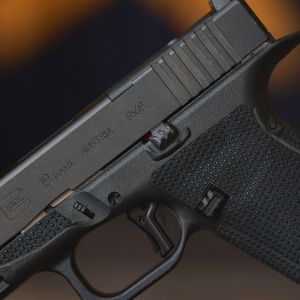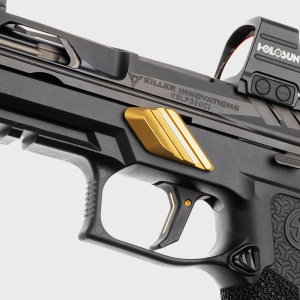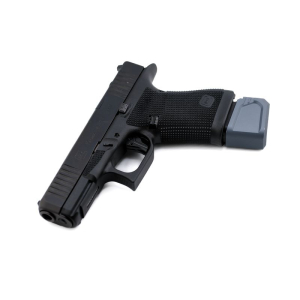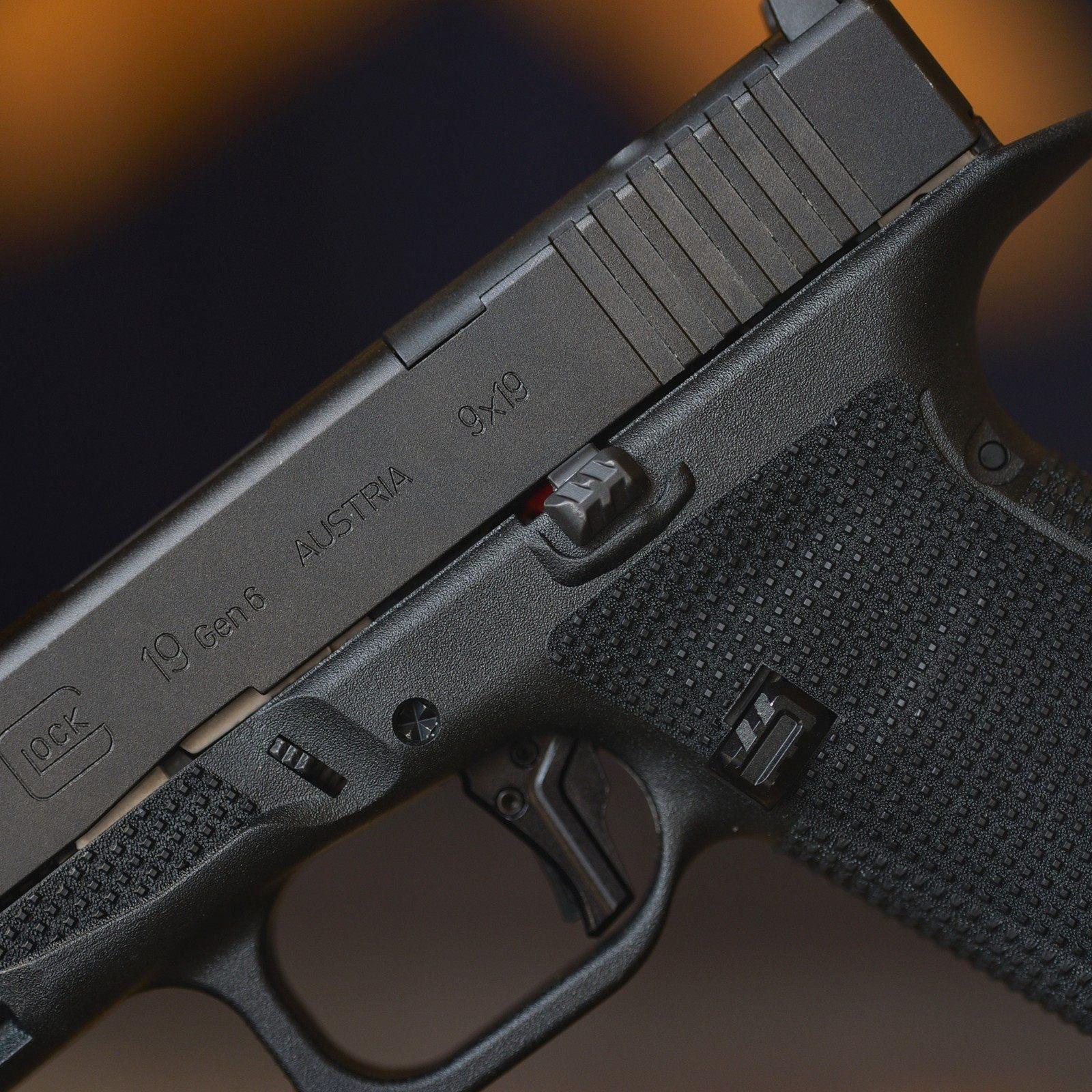
Trigger upgrades are one of the most noticeable ways to improve control on a Glock Gen 6. A better trigger changes how consistently the pistol breaks, resets, and tracks during rapid fire. The goal is not simply making the trigger lighter—it’s creating smoother control, cleaner finger placement, and more predictable performance under pressure.
Because Gen 6 introduced internal geometry changes, choosing the right trigger components matters more than ever. A good upgrade should improve feel without sacrificing reliability or creating inconsistent reset behavior.
What Actually Improves Trigger Control
Many shooters focus only on trigger pull weight, but control comes from several factors working together.
Consistent Break
A predictable break allows the shooter to prep the trigger smoothly without disturbing sight alignment.
Short, Positive Reset
A clean reset improves follow-up shots and helps maintain rhythm during rapid fire.
Better Finger Placement
Trigger shape affects how pressure transfers through the finger. Flat-faced triggers often improve consistency because they encourage straighter rearward pressure.
Reduced Pre-Travel and Overtravel
Controlled movement before and after the break creates a more responsive feel without making the trigger unsafe or unstable.
Why Trigger Shape Matters
Trigger geometry affects control more than many shooters realize.
Flat-Faced Triggers
Flat-faced designs create more consistent finger placement and often feel easier to control during rapid strings of fire.
Curved Triggers
Traditional curved triggers feel more familiar to many shooters and may provide better comfort for extended range sessions.
Trigger Shoe Width
A slightly wider trigger shoe spreads pressure across the finger more evenly, improving comfort and reducing perceived pull weight.
Connector and Trigger Bar Upgrades
The trigger shoe changes feel, but the connector and trigger bar largely determine how the trigger actually behaves.
Connector Geometry
Different connector angles affect break weight and reset characteristics. A smoother connector often improves control more than aggressively reducing pull weight.
Trigger Bar Consistency
Improved trigger bars reduce friction and create more predictable engagement surfaces.
Balanced Setup Matters
A lighter connector paired with poor geometry can create mushy break characteristics instead of improving performance.
What Gen 6 Changes Mean for Trigger Upgrades
Gen 6 uses updated internal geometry compared to Gen 5, which changes compatibility with some aftermarket trigger systems.
Not Every Gen 5 Trigger Transfers Correctly
Some Gen 5 trigger kits physically install into Gen 6 pistols but may behave differently because of updated tolerances and engagement surfaces.
Reset Feel Can Change
Even when parts fit correctly, reset feel and break consistency may vary compared to earlier generations.
Use Gen 6-Compatible Components
Choosing trigger upgrades specifically designed around Gen 6 geometry helps maintain reliability and proper function.
Common Mistakes With Trigger Upgrades
Many shooters chase the lightest possible trigger instead of the most controllable one.
Going Too Light
Extremely light triggers can reduce consistency and create reliability concerns during defensive or duty use.
Ignoring Reset Quality
A light trigger with a weak reset often feels slower during rapid fire than a slightly heavier trigger with a strong reset.
Mixing Incompatible Parts
Combining trigger bars, connectors, and springs from different systems can create unpredictable behavior.
Prioritizing Feel Over Reliability
A trigger should improve control without reducing dependable cycling or safety function.
What Makes a Trigger Feel “Controlled”
The best Glock Gen 6 trigger upgrades usually feel smooth, repeatable, and easy to manage under speed—not necessarily ultra-light.
A controlled trigger allows the shooter to prep the wall confidently, break shots cleanly, and reset consistently without unnecessary movement.
That predictability is what improves practical shooting performance.
Did You Know?
Many shooters perform better with a slightly heavier but cleaner trigger because predictable reset and break characteristics improve consistency under speed.
Conclusion: Better Control Starts With Better Consistency
The best Glock Gen 6 trigger upgrades improve control by refining break consistency, reset quality, and finger placement—not simply by reducing pull weight. A balanced trigger setup creates smoother recoil management, faster follow-up shots, and more predictable handling without sacrificing reliability. For components engineered around modern Glock geometry and dependable performance, explore Glock trigger upgrades built for consistent control and clean operation.
FAQs
What improves trigger control the most?
Consistent break quality, positive reset, and stable finger placement have the biggest impact.
Are flat triggers better for Glock Gen 6?
Many shooters prefer flat-faced triggers because they improve finger positioning and rearward pressure consistency.
Should I use Gen 5 trigger parts in Gen 6?
Some fit physically, but Gen 6-specific components are usually the safest option for consistent performance.
Is lighter always better for a trigger?
No, excessively light triggers can reduce consistency and reliability.
What matters more: trigger weight or reset?
For control and speed, reset quality is often more important than reducing pull weight alone.