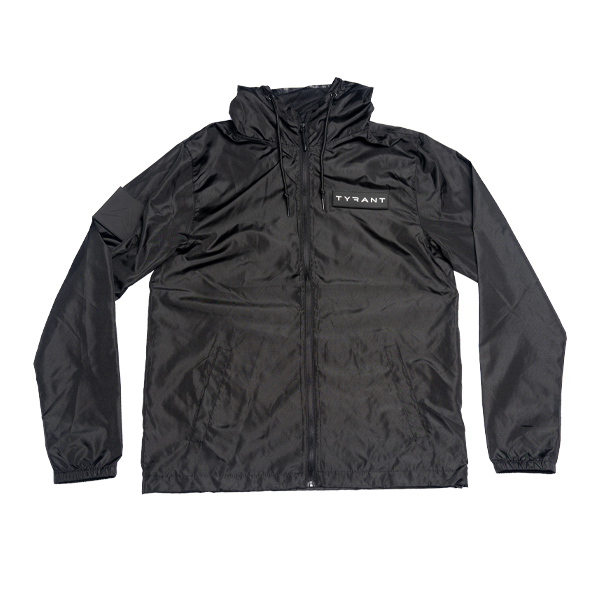
A windbreaker seems simple, but fit and sizing matter far more than most people expect—especially on range days or in cold weather. Too tight and it restricts movement or traps cold air. Too loose and it flaps, snags, or interferes with gear. The right fit balances mobility, layering room, and consistent coverage in changing conditions.
This guide breaks down how to size a windbreaker correctly for active range use and cold-weather layering without sacrificing comfort or performance.
Why Fit Matters More Than Style
Windbreakers function as a barrier layer. Their job is to block wind while allowing freedom of movement. Poor fit compromises both.
-
Overly slim cuts restrict shoulder and elbow movement
-
Baggy profiles catch wind and ride up when drawing or moving
-
Incorrect length exposes the waist when bending or kneeling
A proper fit keeps coverage consistent while staying out of the way during movement.
Choosing the Right Size for Range Days
Range use demands mobility first. Drawing, reloading, and transitioning positions all stress the upper body.
Shoulder and Arm Room
The jacket should allow full arm extension without pulling across the back or chest. Test fit by extending both arms forward and overhead.
Torso Length
A range-ready windbreaker should cover the waistband without overlapping holsters or magazine carriers. Excess length interferes with access, while short cuts expose skin in wind.
Sleeve Design
Sleeves should stay in place during movement. Elastic or adjustable cuffs prevent ride-up without restricting wrist mobility.
Layering for Cold Weather Without Bulk
Cold conditions require space for insulation layers, but oversized shells create problems of their own.
-
Base layer: moisture control
-
Mid-layer: insulation
-
Windbreaker: wind and weather barrier
The windbreaker should fit comfortably over a light mid-layer without compressing insulation.
When to Size Up
If the windbreaker will regularly be worn over fleece or insulated layers, sizing up by one step often provides better mobility without excessive looseness.
Avoid Overcompensation
Sizing up too far creates excess fabric that flaps in wind, increases noise, and interferes with gear.
Fabric Structure and Fit Interaction
Fit is influenced by fabric stiffness and panel construction. Stiffer materials need more room to move naturally, while stretch panels allow a closer cut without restriction.
-
Structured fabrics benefit from relaxed athletic cuts
-
Stretch blends support slimmer profiles
-
Articulated elbows reduce the need to oversize
Always consider material behavior alongside sizing.
Did You Know?
Wind chill has a greater effect on perceived temperature than ambient cold, making wind-blocking layers more important than thickness alone.
Conclusion
A well-fitted windbreaker supports movement, blocks wind effectively, and layers cleanly without bulk. Correct sizing comes from understanding intended use, layering needs, and fabric behavior—not guessing or defaulting to oversized fits. When chosen correctly, a windbreaker becomes a dependable outer layer for both active range days and cold-weather conditions. To find options designed for functional fit and durability, explore Tyrant CNC apparel built for performance-driven use.
FAQs
Should a windbreaker fit tight or loose?
It should fit close enough to avoid flapping while allowing full arm and shoulder movement.
Is it better to size up for winter use?
Yes, if layering is required. One size up is usually sufficient.
Can windbreakers replace insulated jackets?
No. They block wind but rely on layers underneath for warmth.
Do longer windbreakers interfere with range gear?
They can. Proper torso length is critical for accessibility.
Does fabric stretch affect sizing?
Yes. Stretch fabrics allow a closer fit without restricting movement.